Apartment Complex and HOA Pressure Washing Raleigh: A Property Manager's Guide
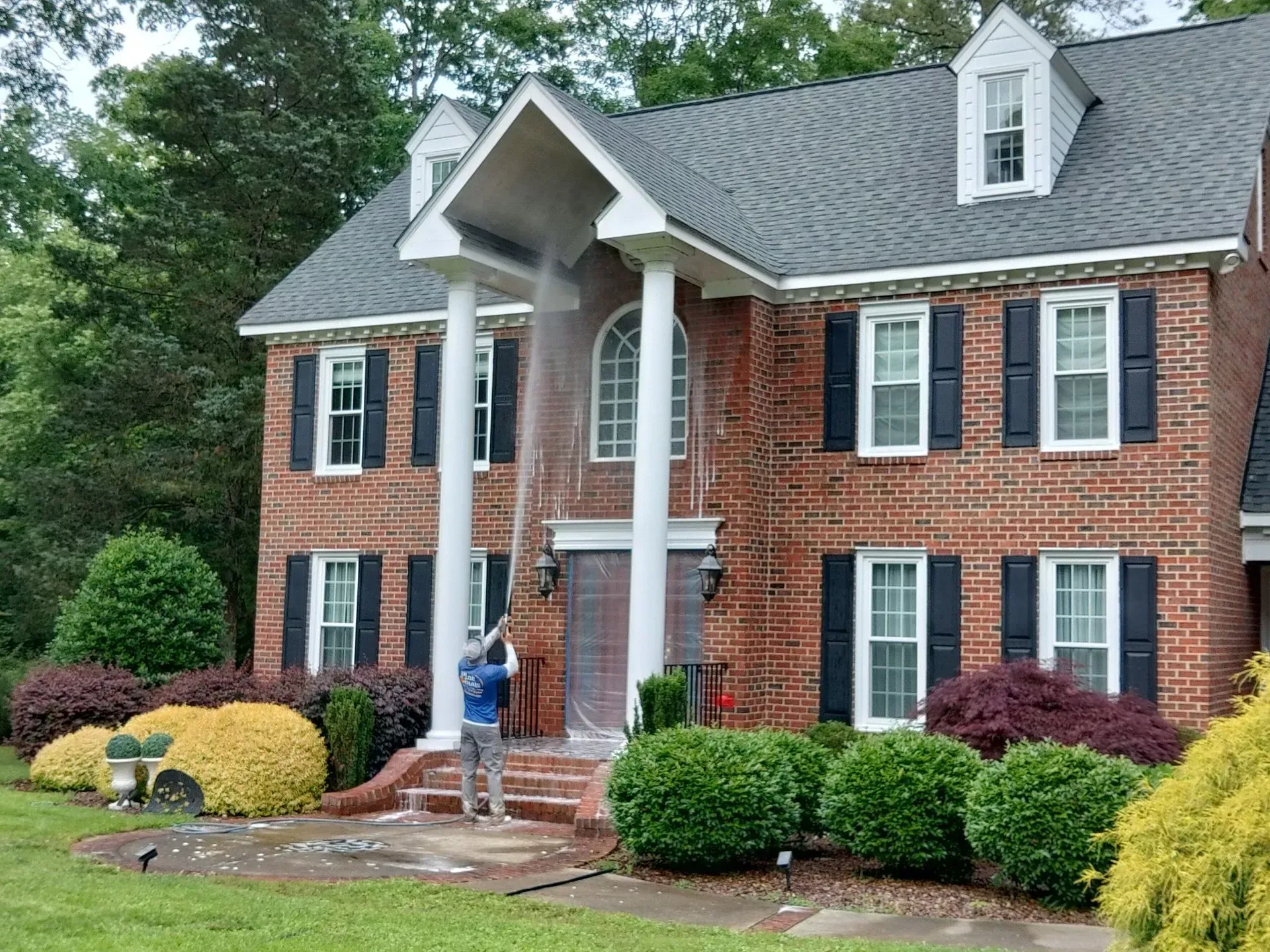
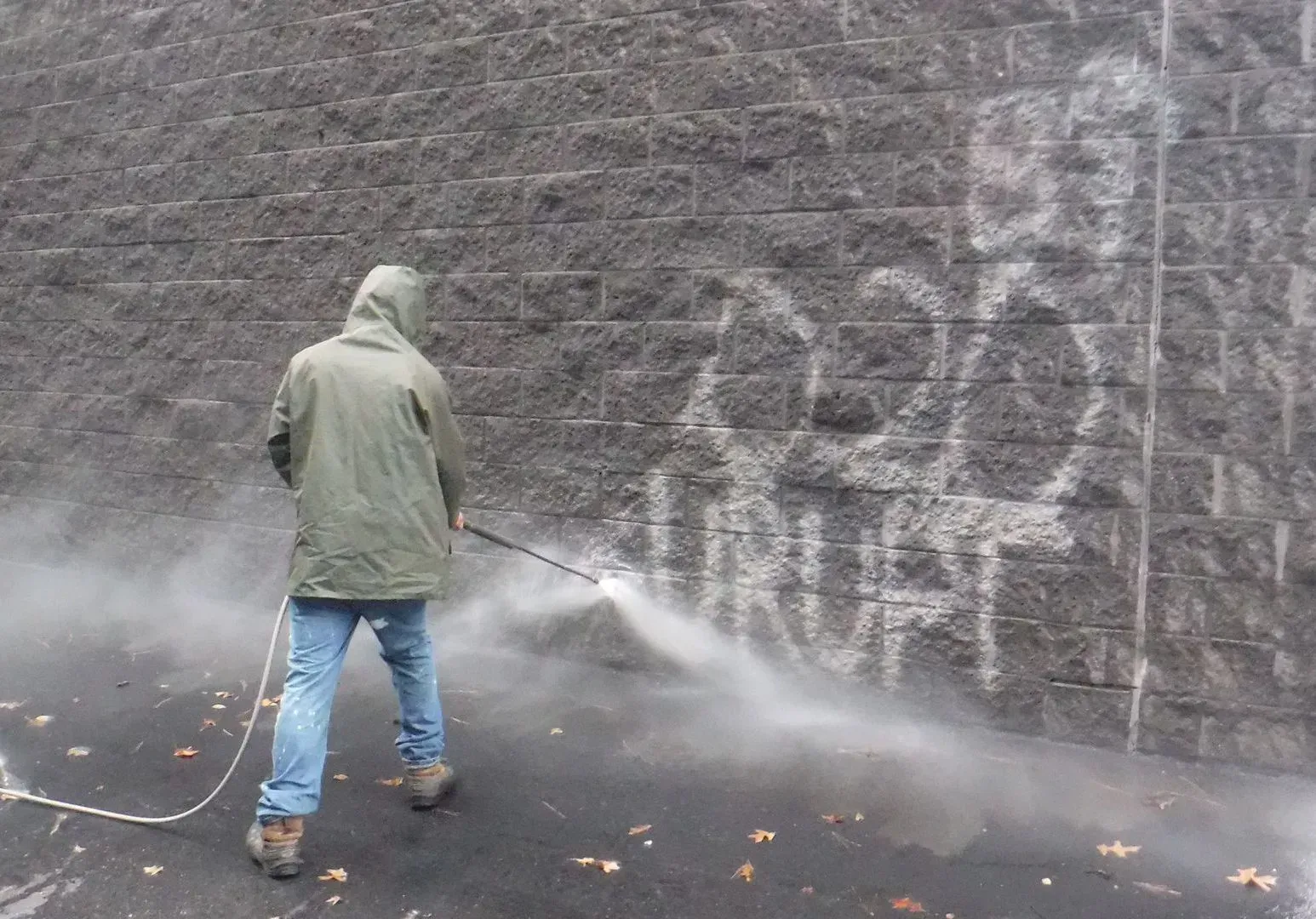
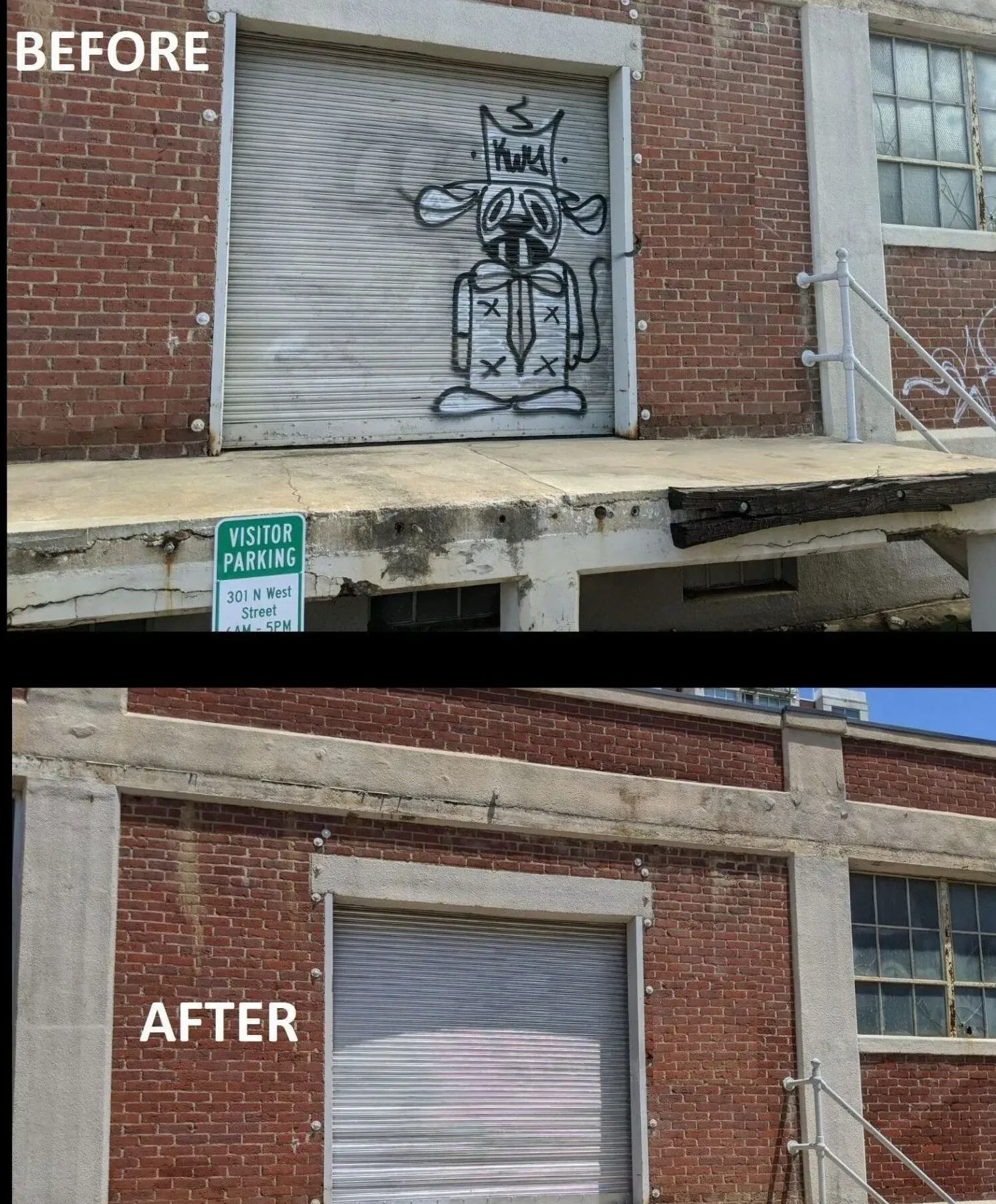
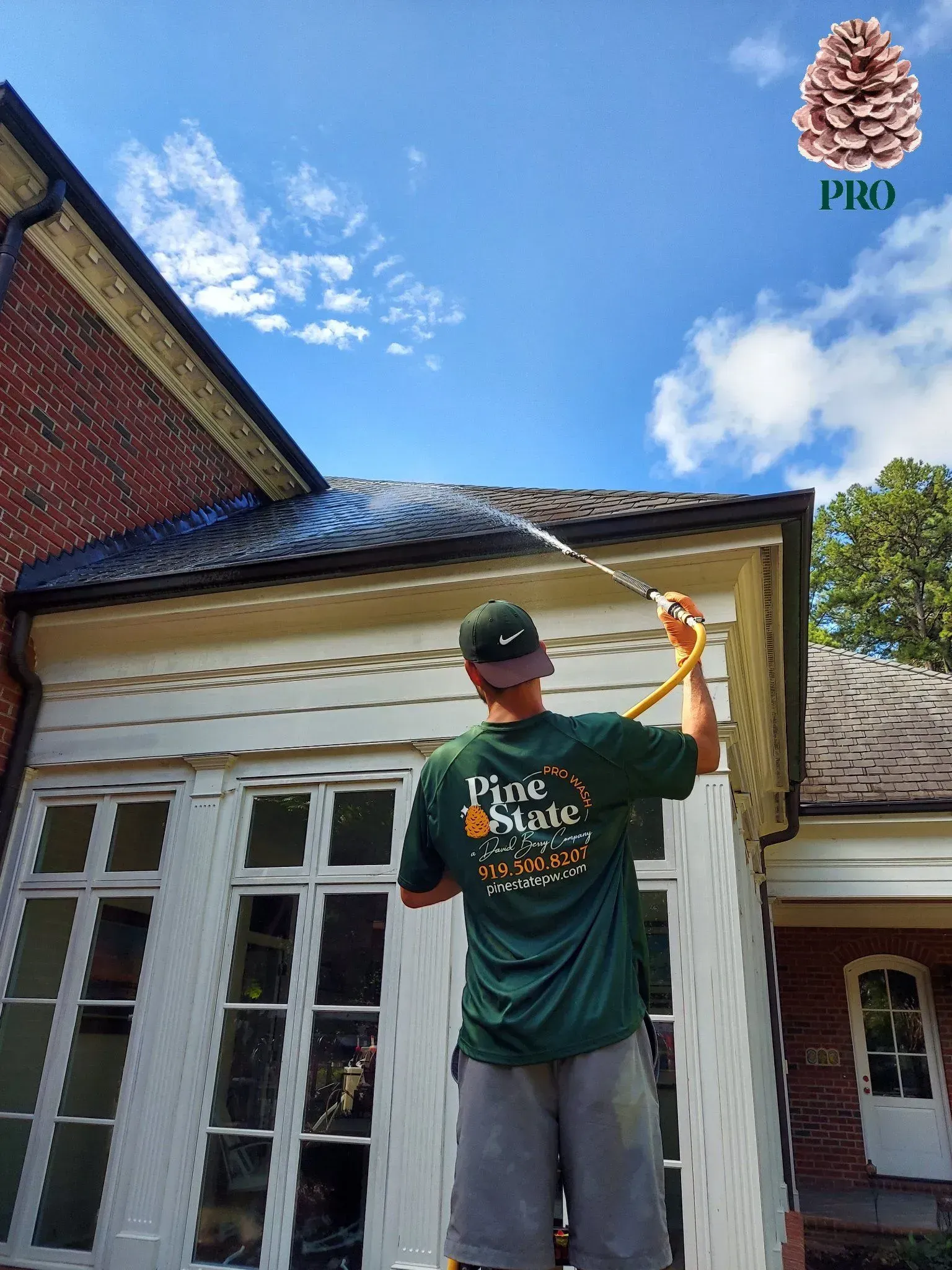
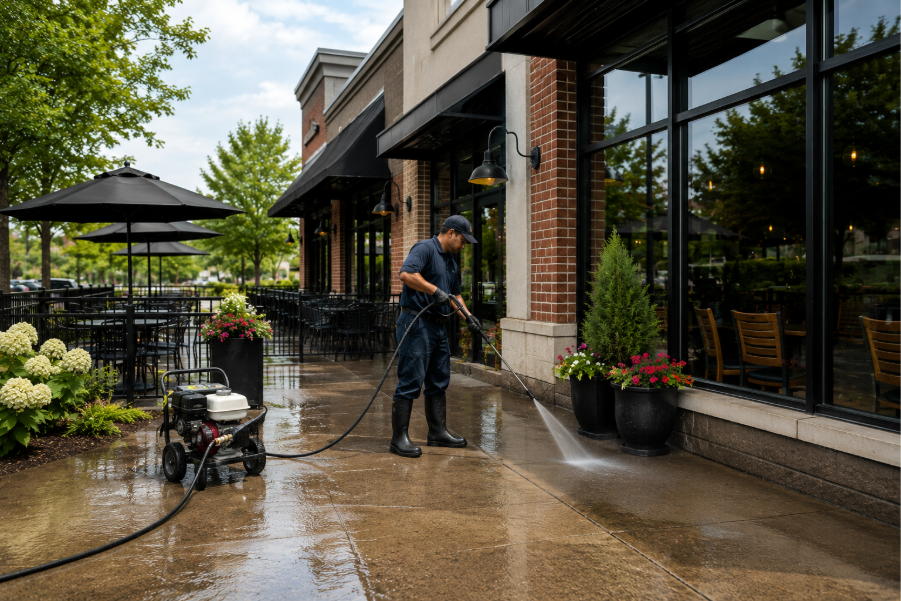
Managing an apartment complex or homeowners association (HOA) involves more than maintaining buildings and landscaping. Shared walkways, parking areas, entrance features, pool decks, sidewalks, and exterior walls also need regular cleaning. HOA pressure washing Raleigh services help property managers maintain these shared spaces by removing accumulated dirt, algae, mildew, grease, and other surface contaminants. A planned cleaning schedule keeps common areas presentable, reduces slippery buildup, and helps protect exterior materials. Pine State Pro Wash provides professional exterior cleaning services for residential communities that need consistent property maintenance.
Why Pressure Washing Matters for Apartment Complexes and HOAs
Apartment communities and HOA-managed neighborhoods experience regular foot traffic, vehicle movement, landscaping activity, and exposure to changing weather conditions. These factors contribute to dirt accumulation, organic growth, oil stains, and surface discoloration.
In Raleigh, humidity, rainfall, tree cover, and seasonal pollen can make exterior surfaces particularly susceptible to algae, mildew, and grime. Areas that remain shaded or damp for extended periods may develop green or dark organic staining.
Regular apartment complex power washing helps property managers maintain shared facilities and address these problems before they become more difficult to remove.
Some important benefits include:
- Improved community appearance: Clean entrances, sidewalks, buildings, and parking areas create a more welcoming environment for residents and visitors.
- Better walking conditions: Removing algae, mildew, and slippery organic buildup can reduce certain slip hazards on pedestrian surfaces.
- Surface maintenance: Appropriate cleaning helps remove contaminants that can contribute to staining and premature deterioration.
- Resident satisfaction: Well-maintained common areas demonstrate that the property management team pays attention to shared facilities.
- Better property presentation: Clean exterior surfaces support property viewings, leasing activities, and community events.
A consistent cleaning programme also makes it easier to identify maintenance issues such as damaged concrete, deteriorating paint, loose joint material, and drainage problems.
Which Areas Should Property Managers Include in a Cleaning Plan?
Not every exterior surface requires the same cleaning method or frequency. Property managers should assess the material, level of contamination, exposure to moisture, and amount of daily use before scheduling work.
The following areas deserve attention during routine community power washing.
1. Building Exteriors and Siding
Apartment buildings, townhomes, and shared residential structures accumulate dust, pollen, cobwebs, mildew, and environmental staining.
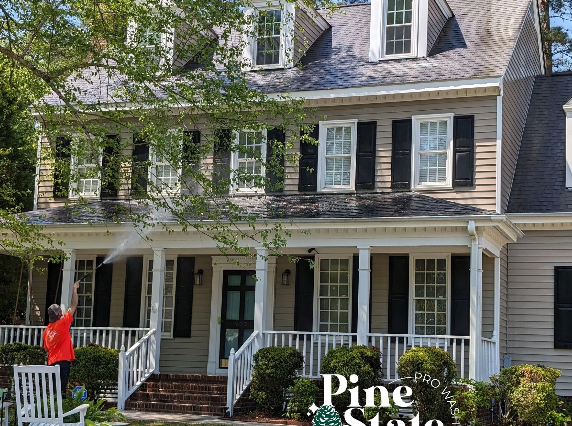
Vinyl siding, painted surfaces, stucco, and brick require different cleaning techniques. Low-pressure soft washing is generally appropriate for many siding applications because it uses cleaning solutions and controlled rinsing rather than excessive water pressure.
Cleaning the exterior periodically helps maintain a consistent appearance across multiple buildings.
2. Sidewalks and Pedestrian Walkways
Sidewalks connect parking spaces, residential buildings, mailboxes, recreational facilities, and community entrances. Frequent pedestrian use causes dirt, mud, and organic material to accumulate.
Shaded concrete walkways may also develop algae and mildew.
Professional cleaning removes surface contamination and helps improve the condition of frequently used pedestrian areas. Property managers should also arrange repairs for cracked, uneven, or damaged concrete because washing alone cannot correct these hazards.
3. Parking Lots and Driveways
Parking areas collect oil spots, tire marks, dirt, sediment, and vehicle-related residue. These stains can make a residential community look poorly maintained.
Professional parking area cleaning can address:
- Oil and automotive fluid stains.
- Tire marks and rubber residue.
- Dirt and accumulated sediment.
- Mud around parking spaces.
- Organic staining near landscaped areas.
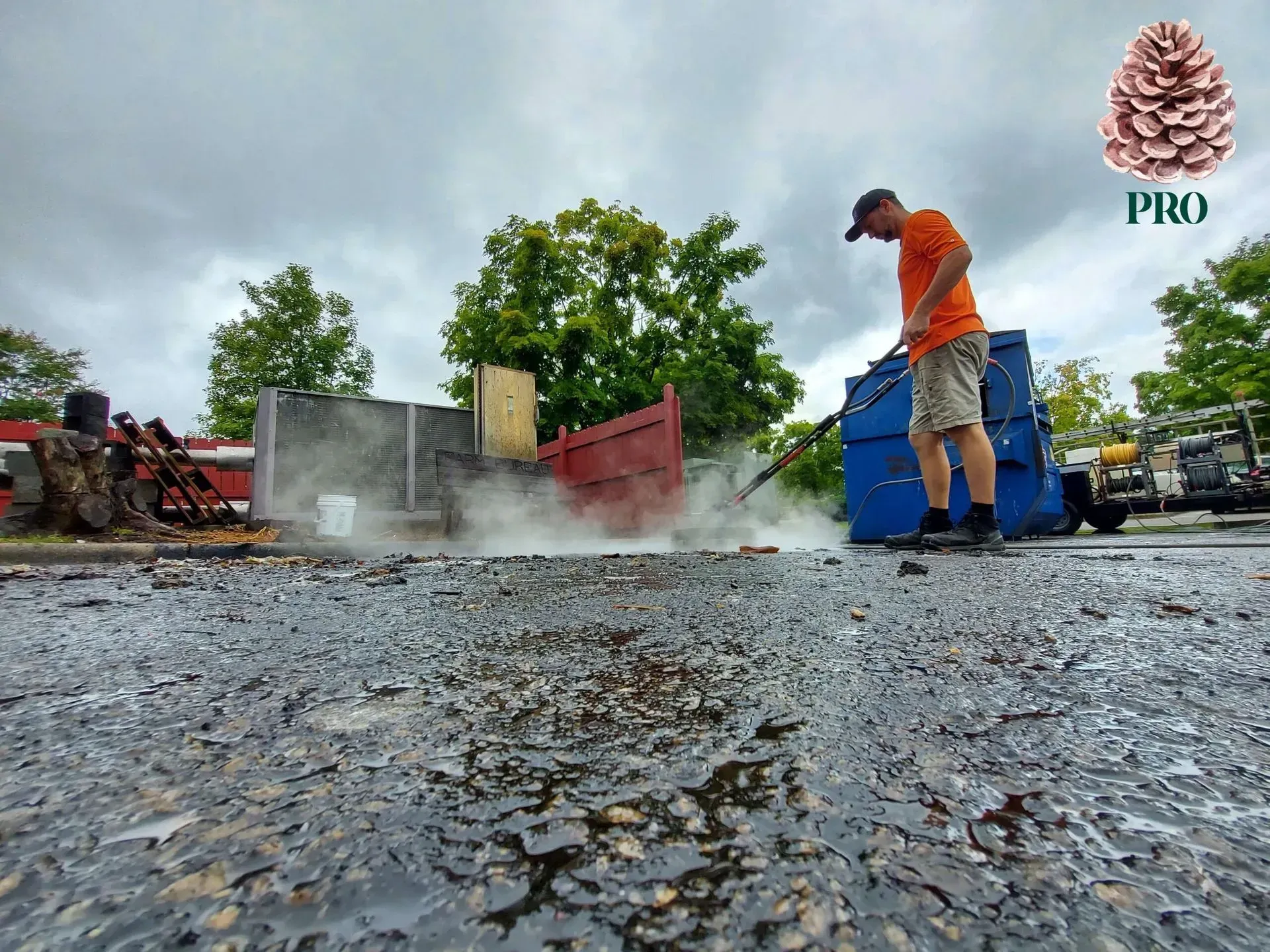
Hot-water cleaning and suitable degreasers may be required for stubborn grease and oil deposits. Wastewater must also be managed responsibly, particularly when cleaning parking areas with oil or chemical contamination.
4. Pool Decks and Recreational Areas
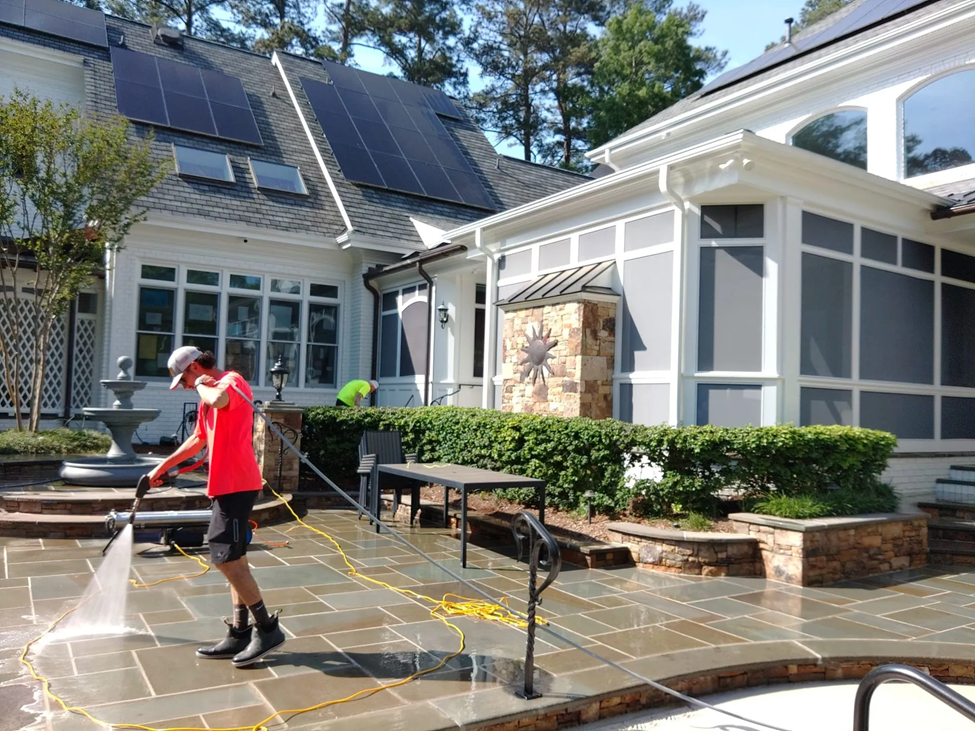
Pool decks, outdoor seating areas, clubhouse entrances, and recreational walkways receive regular resident use.
Moisture and organic growth can make these surfaces slippery. Cleaning should account for the material, surface coating, drainage arrangements, and nearby pool water.
A suitable cleaning method removes dirt and organic buildup without damaging decorative concrete, pavers, or protective finishes.
5. Dumpster Pads and Waste Collection Areas
Dumpster enclosures often develop grease, food residue, unpleasant staining, and organic buildup. These areas require more targeted cleaning than ordinary walkways.
Commercial-grade degreasers, controlled pressure, and proper wastewater collection may be necessary. Property managers should also arrange regular waste-area cleaning to prevent accumulated contamination from becoming difficult to remove.
Parking lots, dumpster pads, and other shared concrete surfaces often develop stubborn oil, grease, rust, and organic stains. Understanding how professional pressure washing removes common commercial stains can help property managers identify the appropriate treatment for different types of contamination.
6. Entrance Features, Clubhouses, and Mailbox Areas
Community entrances create the first impression for residents, prospective tenants, visitors, and delivery personnel.
Monument signs, retaining walls, clubhouse exteriors, mailbox stations, and entrance sidewalks should be included in the exterior maintenance plan.
Cleaning these areas helps maintain a consistent appearance throughout the community.
How Often Should an Apartment Complex or HOA Schedule Pressure Washing?
The appropriate cleaning frequency depends on property size, surface material, shade, drainage, traffic, and exposure to environmental contaminants.
For many residential communities, an annual or seasonal cleaning schedule provides a useful starting point. High-traffic and moisture-prone areas may need more frequent attention.
Here is a practical maintenance reference:
| Property Area | Suggested Cleaning Frequency |
|---|---|
| Building Exteriors | Every 12–24 months |
| Sidewalks and Walkways | Every 6–12 months |
| Parking Areas | Every 6–12 months |
| Dumpster Pads | Every 1–3 months |
| Pool Decks | Every 3–6 months or as needed |
| Clubhouse Entrances | Every 3–6 months |
| Community Entrance Features | Every 6–12 months |
These are general planning intervals, not fixed requirements. Properties with heavy foot traffic, extensive tree coverage, poor drainage, or recurring organic growth may require additional cleaning.
A property manager should inspect shared spaces throughout the year and adjust the schedule based on actual conditions.
Choosing the Right Cleaning Method for Each Surface
Using excessive pressure on delicate materials can cause damage, even when the intention is simply to remove dirt.
Professional property manager exterior cleaning should begin with a surface assessment. The cleaning contractor should identify the material, existing coating, type of contamination, and appropriate cleaning method.
| Cleaning Method | Suitable Applications | Main Consideration |
|---|---|---|
| Soft Washing | Siding, painted surfaces, and many building exteriors | Uses cleaning solutions and low-pressure rinsing |
| Pressure Washing | Concrete sidewalks, driveways, and suitable hard surfaces | Pressure must be adjusted to the material |
| Hot-Water Washing | Grease, oil, and stubborn commercial residue | Helps loosen certain oily contaminants |
| Surface Cleaning Equipment | Large concrete walkways and parking areas | Provides more consistent cleaning across broad surfaces |
Soft Washing for Building Exteriors
Soft washing is generally preferred for many residential building exteriors because it reduces the risk of damage associated with excessive pressure.
The process uses an appropriate cleaning solution to treat organic growth and surface contaminants, followed by a controlled rinse.
Pressure Washing for Concrete
Concrete sidewalks, driveways, and certain parking areas can often withstand mechanical pressure washing. However, the operator must consider the concrete's age, condition, finish, and previous repairs.
Cracked or deteriorating concrete may require repairs before cleaning.
Hot-Water Cleaning for Grease
Dumpster pads and parking areas sometimes contain stubborn grease and oil. Hot water, combined with a suitable cleaning agent, can help break down these contaminants.
The contractor should select products appropriate for the surface and follow proper wastewater handling procedures.
What Should Property Managers Look for in a Pressure Washing Contractor?
Apartment complex power washing often involves multiple buildings, large common areas, resident access, and coordination with maintenance teams. Hiring a contractor based only on the quoted price can create problems if the work is poorly planned.
Before approving a service provider, review these factors:
1. Experience with Multi-Unit Properties
Look for contractors familiar with apartment communities, HOA-managed properties, and commercial exterior cleaning. Larger properties require careful scheduling and coordination.
2. Knowledge of Different Surface Materials
The contractor should understand the differences between concrete, brick, vinyl siding, stucco, painted surfaces, and decorative finishes.
Ask how the cleaning method will be adjusted for each material.
3. Insurance and Safety Practices
Request proof of appropriate general liability insurance and any other relevant coverage. Discuss worker safety, equipment operation, chemical handling, and procedures for protecting residents and visitors.
4. Wastewater Management
Cleaning parking lots, dumpster pads, and grease-contaminated surfaces may generate wastewater that requires collection or treatment. Ask how the contractor will prevent contaminated runoff from entering storm drains.
5. Clear Scope of Work
The proposal should identify:
- Areas included in the cleaning service.
- Cleaning methods for different surfaces.
- Treatment of difficult stains.
- Water and chemical management.
- Expected project duration.
- Areas requiring resident or vehicle access restrictions.
6. Scheduling and Communication
A reliable contractor should coordinate work with property managers and communicate any access restrictions in advance. This is particularly important for occupied communities.
Pine State Pro Wash understands that residential community cleaning requires attention to shared spaces, surface conditions, and property access. A clearly defined scope helps management teams plan exterior maintenance with fewer disruptions.
How to Organise a Community-Wide Pressure Washing Project
Large residential properties benefit from a planned cleaning process rather than treating each area as a separate, uncoordinated job.
Property managers can use the following steps:
- Conduct an exterior inspection: Identify heavily stained areas, organic growth, grease deposits, and surfaces requiring repairs.
- Prioritise high-traffic locations: Schedule sidewalks, entrances, parking areas, and recreational spaces according to their condition and resident use.
- Divide the property into sections: Group buildings, parking areas, walkways, and shared facilities into manageable work zones.
- Notify residents in advance: Communicate cleaning dates, temporary parking restrictions, pedestrian access changes, and any preparation requirements.
- Coordinate cleaning activities: Schedule contractors around waste collection, landscaping, pool maintenance, and other property services.
- Inspect completed work: Review cleaned surfaces and identify any areas requiring additional attention or separate repairs.
- Record the maintenance schedule: Document completed services and use inspection findings to plan the next cleaning cycle.
This process helps prevent unnecessary disruption and makes community power washing easier to manage across large residential properties.
What Affects HOA Pressure Washing Costs in Raleigh?
The cost of cleaning an apartment complex or HOA community depends on the property's size, surface conditions, cleaning requirements, and project complexity.
Property managers responsible for both shared community spaces and individual residential properties can also compare the factors that influence house pressure washing costs in Raleigh, including property size, exterior material, surface condition, and cleaning requirements.
Common pricing factors include:
- Total cleaning area: Larger properties generally require more labour, water, and equipment time.
- Surface material: Brick, siding, concrete, and decorative surfaces require different cleaning techniques.
- Contamination level: Heavy algae, oil stains, grease, and long-standing buildup may require additional treatment.
- Accessibility: Restricted access, narrow walkways, and difficult equipment positioning can affect project time.
- Wastewater requirements: Additional collection and disposal procedures may increase the overall cost.
- Project scheduling: Cleaning several property sections during one coordinated visit may affect the overall service estimate.
For an accurate quotation, property managers should request an on-site assessment and provide a list of the areas requiring attention.
Frequently Asked Questions About HOA and Apartment Pressure Washing
1. How often should an HOA schedule pressure washing?
Most HOAs can begin with annual or seasonal exterior cleaning. However, sidewalks, dumpster pads, pool decks, and other heavily used areas may need attention every few months. The schedule should reflect actual surface conditions and resident activity.
2. What areas of an apartment complex should be pressure washed?
Common areas include building exteriors, sidewalks, parking lots, driveways, dumpster pads, pool decks, clubhouse entrances, mailbox stations, and community signs. The cleaning method should match each surface.
3. Is pressure washing safe for apartment building siding?
High pressure is not suitable for every type of siding. Soft washing is generally preferred for vinyl siding and many other building exteriors because it uses cleaning solutions and controlled rinsing. The contractor should also protect windows, fixtures, electrical components, and surrounding landscaping.
4. Can pressure washing remove oil stains from HOA parking lots?
Professional cleaning can remove or reduce many oil stains using suitable degreasers, hot water, and controlled pressure. However, deeply absorbed oil may leave some discoloration, so complete stain removal cannot always be guaranteed.
5. How much does apartment complex power washing cost?
Pricing depends on the total surface area, material type, contamination level, accessibility, and wastewater requirements. An on-site inspection allows contractors to provide a more accurate estimate based on the property's cleaning needs.
6. Should HOA communities pressure wash sidewalks and pool decks?
Yes. Sidewalks and pool decks can accumulate algae, mildew, dirt, and other contaminants. Periodic cleaning helps maintain these shared areas and can reduce slippery surface buildup. Damaged or uneven surfaces still require separate repairs.
7. Do residents need to be notified before community pressure washing?
Yes. Advance notification helps residents move vehicles, secure personal belongings, avoid restricted work areas, and plan around temporary access changes. Property managers should communicate the cleaning schedule and any specific preparation requirements.
Maintaining Cleaner Residential Communities Throughout the Year
Exterior maintenance is easier to manage when apartment complexes and HOA communities follow a consistent cleaning schedule. Clean building exteriors, sidewalks, parking areas, pool decks, and shared facilities help maintain a welcoming environment while addressing dirt and organic buildup before it becomes difficult to remove.
For property managers, the best results come from matching the cleaning method to each surface, prioritising frequently used areas, and coordinating work around residents' daily activities.
If your community needs professional HOA pressure washing Raleigh services, Pine State Power Washing, LLC can help assess the property's exterior cleaning requirements. Request a get free estimate for your apartment complex or HOA community and plan a cleaning schedule that supports the long-term care of your shared property.