Restaurant Exterior Cleaning: Meeting Health Code and Curb Appeal Standards
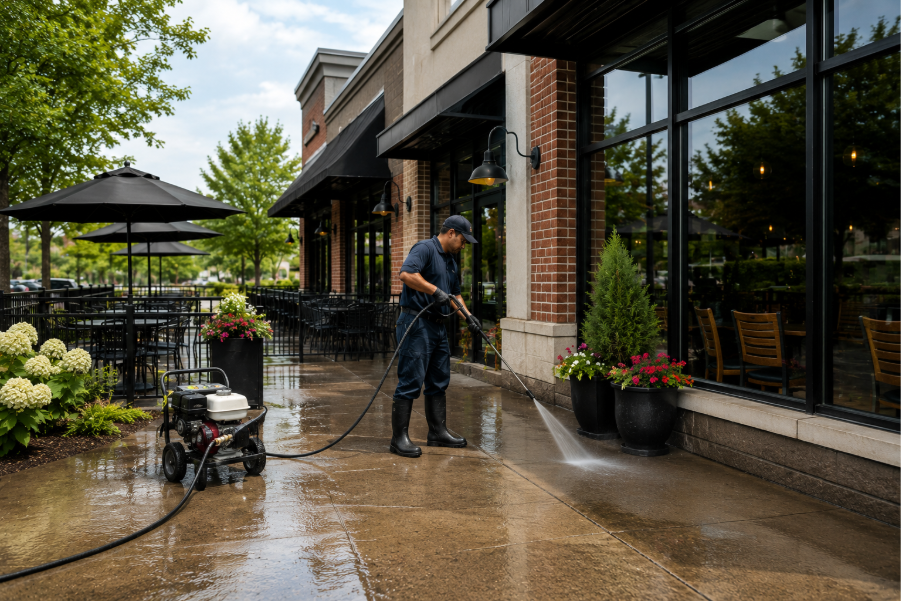
A restaurant's exterior is often the first thing customers notice. Clean sidewalks, patios, walls, entrances, and outdoor dining areas can create a better first impression before a guest even walks through the door. At the same time, restaurant properties deal with grease, food debris, spills, heavy foot traffic, and outdoor weather that can quickly make these areas look neglected.
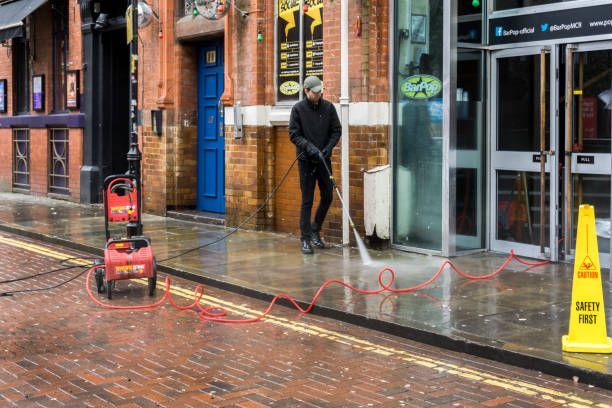
Regular restaurant pressure washing can help remove buildup from high-use areas while supporting a cleaner and more welcoming property. However, exterior cleaning is not only about appearance. Restaurant owners also need to think about slip hazards, sanitation around service areas, drainage, waste zones, and local health and safety requirements.
Pine State Pro Wash provides commercial exterior cleaning for restaurants in the Raleigh area, including patios, exterior walls, sidewalks, grease-heavy areas, and smoke stacks. Its cleaning approach includes hot-water pressure washing, soft washing, and specialized degreasing methods depending on the surface and type of buildup.
Why Restaurant Exteriors Need Specialized Cleaning
Restaurants face cleaning challenges that many other commercial properties do not. Food preparation and service can create grease, oil, food waste, drink spills, and other residue around entrances, dumpsters, fryer areas, and service doors. Outdoor dining spaces also collect dirt from regular customer use. Sidewalks can develop dark traffic marks, while patios may become stained by food and drinks.
Weather adds another layer. Rain can spread dirt across concrete, while humidity can encourage organic growth. Over time, these contaminants can make a restaurant exterior look tired and may create slippery conditions in areas where grease or algae has accumulated. A regular cleaning plan helps address these issues before buildup becomes more difficult to remove.
How Exterior Cleaning Supports Health and Safety
Exterior cleaning does not guarantee compliance with every health code or local requirement, so restaurants must still follow proper food safety practices. Regular restaurant exterior cleaning can support these efforts by keeping sidewalks, patios, entrances, and service areas free from excess grease, dirt, spills, and buildup.
Reducing Grease and Food Residue
Grease can build up around fryer areas, dumpsters, service doors, and food preparation spaces. Regular cleaning helps remove oily residue and keeps these areas cleaner and easier to manage.
Keeping Walkways Safer
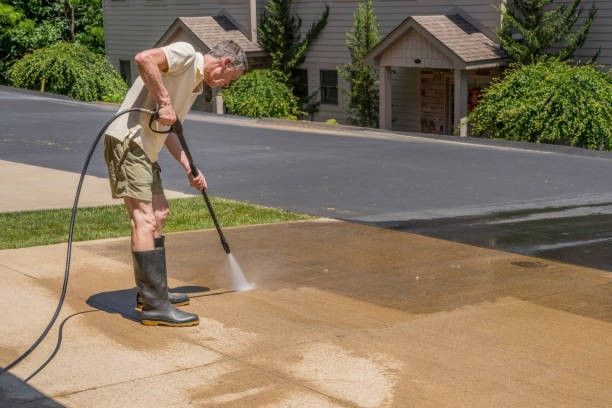
Sidewalks and entrances can collect dirt, grease, algae, and spills. Routine cleaning helps reduce buildup that may contribute to slippery surfaces and keeps walkways more suitable for customers and staff.
Maintaining Outdoor Dining Areas
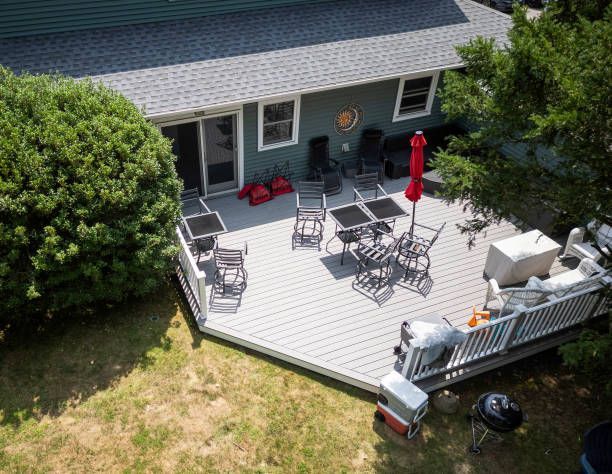
Patios can collect food, drinks, gum, leaves, and dirt. Regular cleaning helps keep outdoor dining spaces cleaner, more comfortable, and visually appealing for customers.
Key Areas That Should Be Cleaned
A restaurant exterior includes much more than the front entrance. Different areas collect different types of dirt and require different cleaning methods.
Sidewalks and Entrances
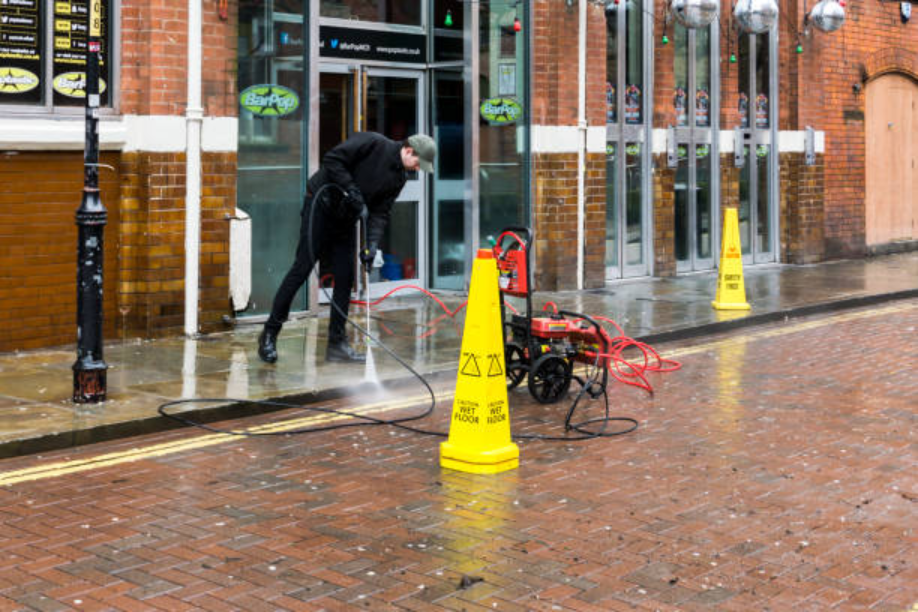
Heavy foot traffic can leave dirt, gum, spills, and dark marks. Regular cleaning keeps these areas more presentable and easier to maintain.
Patios and Outdoor Dining Areas
Food, drinks, leaves, pollen, and daily use can quickly dirty outdoor seating areas. Routine cleaning helps keep patios fresh and inviting.
Exterior Walls
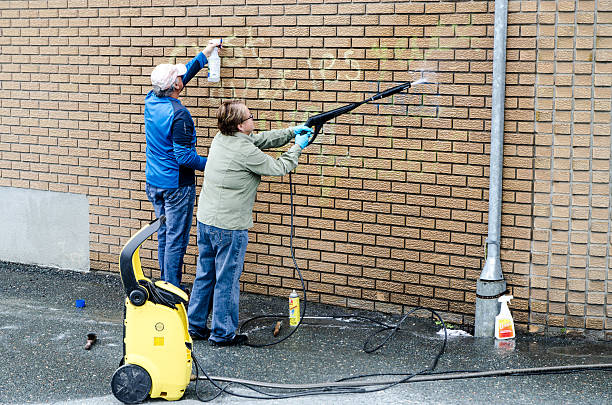
Walls can collect dust, stains, grime, mold, and other buildup. The cleaning method should match the wall's material and condition.
Dumpster and Grease Areas
These areas often collect heavy grease and food residue. Hot-water cleaning and suitable degreasers can help break down stubborn buildup.
Smoke Stacks
Kitchen smoke stacks can accumulate grease over time. Specialized cleaning methods can help remove residue and maintain cleaner exterior equipment.
Choosing the Right Cleaning Method
Not every restaurant surface should be cleaned in exactly the same way. Concrete sidewalks may tolerate a different approach than painted walls, delicate surfaces, or areas near sensitive equipment.
Hot-Water Pressure Washing
Hot water helps break down grease and oily residue on durable surfaces such as sidewalks and service areas. It can be useful for areas with heavy restaurant-related buildup.
Soft Washing
Soft washing uses lower pressure and cleaning solutions to remove dirt, mold, mildew, and organic buildup from surfaces that may not handle high pressure well.
Specialized Degreasing
Grease-heavy areas may need specialized degreasers to loosen stubborn oily residue before the surface is thoroughly rinsed and cleaned.
How Often Should a Restaurant Exterior Be Cleaned?
There is no single schedule that works for every restaurant. Cleaning frequency depends on traffic, cooking volume, outdoor seating, location, weather, and how quickly grease and dirt accumulate. A busy restaurant with frequent deliveries, outdoor dining, and heavy kitchen use may need more frequent service than a smaller location.
Signs You May Need More Frequent Cleaning
Watch for:
- Grease around dumpsters or fryer areas
- Dark traffic marks on sidewalks
- Slippery surfaces
- Visible food residue
- Stains that return quickly
- Dirty outdoor seating areas
- Mold, algae, or other organic buildup
- Strong buildup around service doors
Pine State Pro Wash notes that restaurant cleaning schedules can vary and that higher-traffic businesses may benefit from monthly or twice-monthly service. The appropriate schedule should be based on the property's actual needs.
How Cleaning Improves Curb Appeal
Cleanliness has a direct effect on how customers perceive a restaurant. A dirty entrance or stained sidewalk can create an impression of poor maintenance before a guest sees the dining room. Clean exterior surfaces can make the property look more cared for without changing its structure or design. This is especially important for restaurants with outdoor seating. Customers spend more time looking at patios, walkways, walls, and entrances when they dine outside. A consistent cleaning routine can help prevent the gradual buildup that makes a property look older than it is.
Building a Practical Restaurant Cleaning Routine
A useful maintenance plan should focus on areas based on how quickly they become dirty. Start with high-risk areas such as grease zones, dumpsters, kitchen exits, and heavily used walkways. These areas may require more frequent attention than decorative walls or less-used surfaces. Keep track of recurring problems. If grease repeatedly collects in one location, for example, cleaning may need to be combined with better waste handling or drainage practices. It is also important to consider business hours when scheduling exterior cleaning. Cleaning during a suitable window can reduce disruption to customers, employees, and deliveries.
What to Consider Before Hiring a Cleaning Company
Before hiring a cleaning company, consider the surfaces, type of buildup, and cleaning frequency your restaurant needs. Choose a provider experienced with grease, sidewalks, patios, walls, and other commercial areas. Ask about proper cleaning methods and insurance. Pine State Pro Wash uses specialized equipment and cleaning solutions for restaurant exteriors and serves businesses across the Triangle region.
Final Thoughts
Restaurant exterior maintenance requires more than occasional cleaning. Grease, food waste, foot traffic, weather, and outdoor dining can all contribute to buildup that affects appearance and surface conditions. A consistent restaurant exterior cleaning plan can help keep high-use areas cleaner, support safer walkways, and maintain a welcoming appearance. The right cleaning method should always be selected based on the surface, type of buildup, and condition of the property. If your restaurant needs professional exterior cleaning for sidewalks, patios, walls, grease areas, or other outdoor surfaces, Contact us today to discuss your property's cleaning needs and create a practical maintenance approach.
Frequently Asked Questions