Degreasing Commercial Surfaces: Why DIY Doesn't Cut It
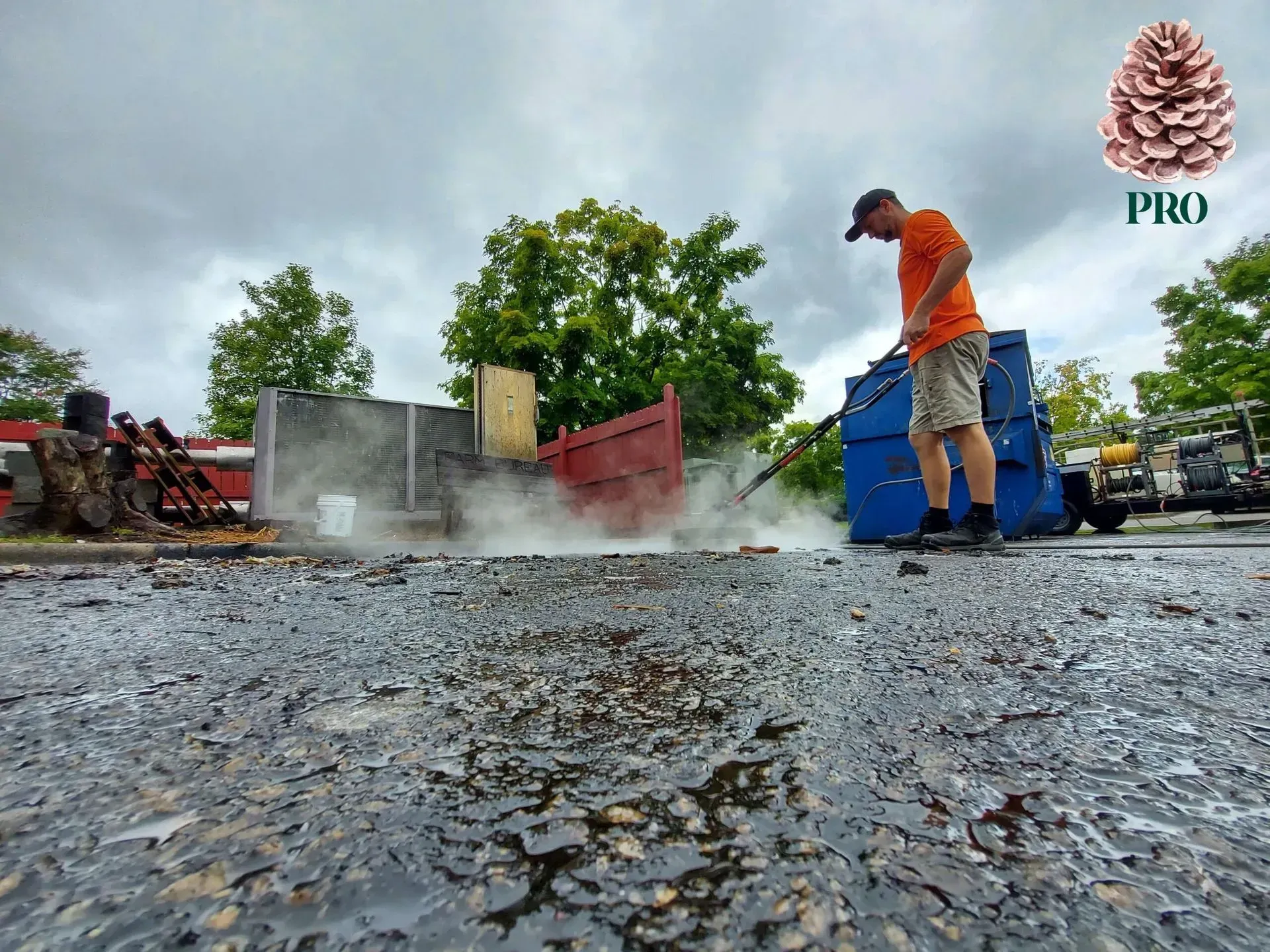
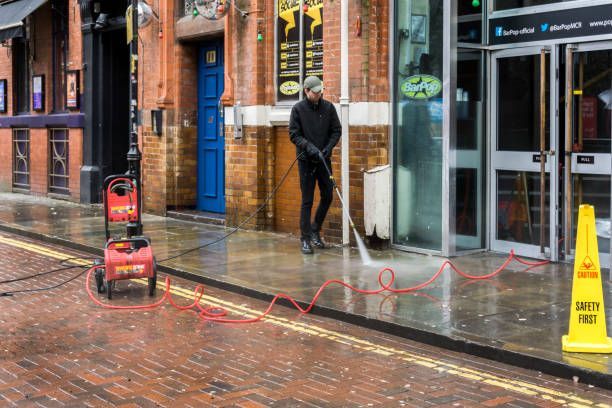
Grease, oil, and heavy residue can build up quickly on commercial concrete, loading areas, kitchen surfaces, walkways, and equipment zones. DIY cleaning may remove visible grime, but it often leaves embedded grease and residue behind. Professional commercial degreasing services use the right cleaning agents, pressure levels, surface knowledge, and waste-control practices to address heavy buildup more effectively. For businesses that need cleaner, safer, and better-maintained surfaces, professional degreasing is often a more practical choice than handling difficult buildup with basic cleaning equipment. Pine State Pro Wash provides professional exterior cleaning services designed around the needs of commercial properties.
Why Commercial Grease Is Difficult to Remove
Commercial grease is different from ordinary dirt. It can contain cooking oils, petroleum-based substances, food residue, lubricants, and other contaminants that bond to porous surfaces.
Concrete is especially difficult because its porous structure allows grease to move below the surface. A quick rinse may make the area look cleaner for a short period, but residue can remain inside the concrete.
Common areas affected by grease and oily buildup include:
- Restaurant dumpster pads
- Commercial kitchen exterior areas
- Drive-through lanes
- Parking areas
- Loading docks
- Service bays
- Garage floors
- Walkways near food preparation areas
- Industrial work zones
- Equipment storage areas
The longer grease remains on a surface, the more difficult it can become to remove completely. Foot traffic, vehicle movement, heat, moisture, and repeated exposure can also spread residue into surrounding areas.
What DIY Degreasing Gets Wrong
DIY cleaning is not always ineffective. Light surface dirt can often be handled with basic equipment and suitable cleaning products. Heavy commercial grease is a different challenge.
One common mistake is relying on water pressure alone. Pressure can move loose debris, but it does not automatically break down grease. Another issue is using a general-purpose cleaner that is not designed for the type or severity of contamination.
DIY cleaning can also create problems such as:
- Incomplete grease removal: Surface residue may disappear while deeper contamination remains.
- Surface damage: Excessive pressure can damage concrete, coatings, masonry, or other materials.
- Chemical misuse: Incorrect dilution or product selection can leave residue or damage nearby surfaces.
- Poor runoff control: Grease and cleaning wastewater can spread into surrounding areas.
- Uneven results: Areas with heavy buildup may require several cleaning passes.
- Lost staff time: Employees may spend hours handling a task outside their normal responsibilities.
A clean-looking surface is not necessarily a thoroughly degreased surface. Professional cleaning focuses on breaking down and removing contamination rather than simply moving it around.
How Professional Degreasing Works
Effective commercial degreasing usually involves several steps. The exact process depends on the surface, type of contamination, location, and condition of the area.
1. Surface assessment
The cleaning process begins by identifying the affected material and the type of buildup present. Concrete, painted surfaces, metal, masonry, and coated flooring may require different methods.
2. Preparation
Loose debris is removed before degreasing begins. Nearby doors, walls, equipment, landscaping, and other sensitive areas may also need protection.
3. Degreaser application
A suitable cleaning agent is applied to break down grease and oily residue. Product selection matters because different contaminants respond differently to cleaning chemicals.
4. Dwell time
The cleaning solution may need time to work into the buildup. Allowing appropriate dwell time helps loosen contaminants before agitation or pressure washing.
5. Agitation and rinsing
Heavily contaminated surfaces may require agitation followed by controlled pressure washing. The goal is to remove loosened grease without unnecessarily damaging the surface.
6. Inspection
The area should be checked after cleaning. Heavily soiled sections may need additional treatment instead of being considered finished after one pass.
This process is particularly useful for grease removal concrete surfaces where contamination has penetrated beyond the uppermost layer.
Why Kitchen Areas Need More Than a Quick Rinse
Commercial kitchens produce grease continuously. Some of it remains inside cooking and food preparation areas, while some can accumulate around exterior walls, service areas, dumpsters, walkways, and exhaust zones.
Kitchen exhaust area cleaning requires attention to greasy deposits that may collect around equipment and surrounding surfaces. A pressure washer without appropriate preparation can spread loosened grease instead of removing it.
Commercial cleaning also needs to account for nearby food preparation areas. Cleaning products, wastewater, and loosened contaminants should be managed carefully to avoid unnecessary exposure or cross-contamination.
Routine cleaning can help prevent heavy buildup from becoming a larger maintenance problem. The appropriate schedule depends on the type of facility, volume of use, cooking activity, traffic, and local site conditions.
Commercial Degreasing vs. DIY Cleaning
The right cleaning method depends on the size of the job and severity of the buildup. The following comparison shows why professional service may be more suitable for demanding commercial applications.
| Factor | DIY Cleaning | Professional Degreasing |
|---|---|---|
| Equipment | Consumer or basic equipment. | Commercial-grade cleaning equipment. |
| Grease Buildup | Better suited to light residue. | Designed for heavier contamination. |
| Chemical Selection | Often limited. | Products selected for the surface and buildup. |
| Surface Knowledge | Depends on the person performing the work. | Cleaning method is adjusted to the material. |
| Wastewater Concerns | Can be difficult to manage. | Cleaning process can account for runoff concerns. |
| Labor Time | Staff handles the task. | Cleaning crew handles the work. |
| Consistency | Can vary by person and equipment. | Process is structured for repeatable results. |
| Large Areas | Time-consuming. | Better suited to commercial properties. |
DIY cleaning can make sense for minor maintenance. Larger grease-related jobs often require more control, equipment, and experience than a standard cleaning task.
The Safety Issue Behind Greasy Surfaces
Grease does more than make a property look dirty. It can create slippery conditions, particularly when mixed with water.
Commercial walkways, service areas, loading zones, and concrete surfaces may become difficult to walk or drive across when oily residue accumulates.
Regular degreasing can help maintain cleaner walking and working surfaces. Businesses should also address leaks, recurring spills, damaged equipment, and drainage problems that contribute to repeated contamination.
Cleaning should be viewed as part of ongoing property maintenance rather than a one-time response to severe buildup.
Industrial Degreasing Requires Greater Control
Industrial environments may deal with lubricants, hydraulic fluids, oils, manufacturing residue, and other difficult contaminants. These substances can require different cleaning methods from the grease found around restaurants.
Industrial degreasing may involve large concrete floors, machinery areas, service bays, warehouse surfaces, and other high-use spaces. The cleaning method needs to account for the material being cleaned and the type of contamination present.
For these environments, applying excessive pressure or an unsuitable chemical can create more problems. A controlled process is generally more appropriate for protecting surfaces while removing stubborn residue.
Pine State Pro Wash approaches commercial cleaning with attention to surface conditions, buildup severity, and the practical requirements of each property.
How Often Should Commercial Surfaces Be Degreased?
There is no single schedule that works for every commercial property. A restaurant with heavy cooking activity may require more frequent cleaning than an office building with limited grease exposure.
A useful maintenance schedule can consider:
- Frequency of grease or oil exposure
- Daily foot and vehicle traffic
- Type of business
- Surface material
- Drainage conditions
- Weather exposure
- Frequency of spills
- Appearance and cleanliness requirements
- Previous cleaning history
Businesses with frequent grease exposure may benefit from routine service rather than waiting until buildup becomes severe. Preventive cleaning can also make individual cleaning visits easier because contaminants have less time to accumulate.
Signs a Commercial Surface Needs Degreasing
A property may need professional degreasing when you notice:
- Dark or shiny patches on concrete
- Persistent oily residue
- Grease around dumpsters or service areas
- Slippery walking surfaces
- Oil stains that return after ordinary washing
- Strong odors around grease-affected areas
- Dirt sticking to oily sections
- Visible buildup near commercial kitchen areas
- Grease spreading into nearby walkways
Recurring staining can also indicate that the contamination is deeper than the visible surface.
Choosing the Right Cleaning Approach
Before scheduling a commercial cleaning service, property managers should consider the condition and use of the area.
Ask these practical questions:
- What type of grease or oil is present?
- How long has the buildup been there?
- What material is being cleaned?
- Is the surface painted, coated, sealed, or bare concrete?
- Are food preparation areas nearby?
- Does the location experience recurring spills?
- How large is the affected area?
- How will cleaning wastewater be managed?
- Will normal business operations be affected during cleaning?
The cleaning method should match the material and type of contamination. Concrete, coated flooring, masonry, metal, and other surfaces can respond differently to pressure and cleaning chemicals. Using an unsuitable method can leave residue behind or cause unnecessary surface damage. For a broader look at choosing the right cleaning method for each surface, review the surface-specific factors that influence pressure washing and other exterior cleaning techniques.
A Cleaner Surface Starts With the Right Process
Commercial grease buildup is rarely solved by pressure alone. Heavy contamination can penetrate porous concrete, spread across high-traffic areas, and create cleaning and safety concerns if it is left untreated. DIY methods may handle minor residue, but demanding commercial surfaces often require suitable degreasers, controlled pressure, proper preparation, and careful rinsing.
Professional commercial degreasing services give businesses a practical way to address difficult grease and oil buildup without placing the entire task on their regular staff. For a property that needs attention, assess the affected areas, identify recurring sources of contamination, and get free estimate options before the buildup becomes harder to manage. A consistent cleaning schedule can help keep commercial surfaces cleaner and easier to maintain over time.
Frequently Asked Questions
Can pressure washing remove grease from concrete?
Pressure washing can help remove loosened grease and residue, but pressure alone may not be enough for heavy contamination. Degreasing agents and appropriate dwell time may be needed to break down oily deposits before rinsing.
How do professionals remove grease from commercial concrete?
Professionals typically assess the concrete, apply an appropriate degreasing product, allow it to work, agitate heavily affected areas when needed, and rinse the surface using controlled pressure. The exact process depends on the type and severity of contamination.
Is DIY degreasing safe for commercial properties?
DIY cleaning can be suitable for minor maintenance when the correct products and equipment are used. Larger or heavily contaminated areas can present surface, chemical, runoff, and slip-related concerns that require greater control.
How often should a restaurant have greasy exterior surfaces cleaned?
The frequency depends on cooking volume, grease exposure, traffic, weather, and the condition of the property. High-use restaurant areas may require more frequent cleaning than lower-traffic commercial locations.
Can degreasing remove old oil stains?
Degreasing can reduce many oil and grease stains, but results vary based on stain age, depth, surface porosity, and the substance involved. Older contamination may require repeated treatment.