Asphalt Repair and Sealcoating: Extending the Life of Your Raleigh Parking Lot
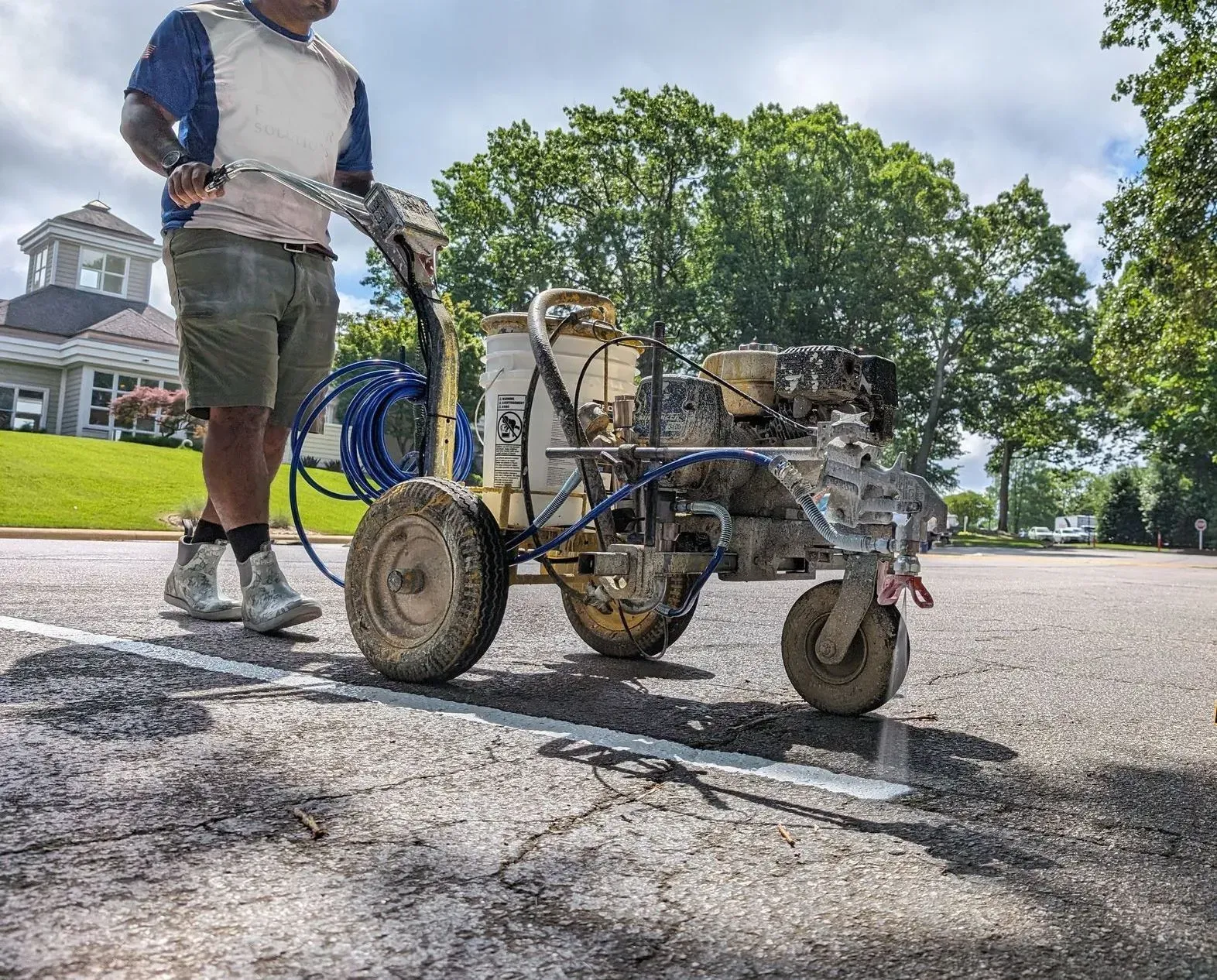
A well-maintained parking lot can serve a commercial property for many years, but cracks, potholes, water intrusion, oxidation, and repeated vehicle traffic can shorten its useful life. For Raleigh businesses, asphalt sealcoating Raleigh services combined with timely repairs can help protect pavement from moisture and surface wear. Pine State Pro Wash helps property owners address visible pavement problems before they develop into larger maintenance issues. The right approach starts with repairing damaged areas, preparing the surface properly, and applying sealcoating when the asphalt is ready.
Why Parking Lot Maintenance Matters
A parking lot takes daily punishment from vehicles, weather, standing water, fuel residue, and temperature changes. Small pavement defects may seem minor at first, but water can enter cracks and weaken the layers beneath the asphalt.
Raleigh's changing weather can add to this wear. Rain can reach damaged areas, while heat and sunlight can dry and age the pavement surface. Repeated traffic then places additional pressure on weakened sections.
Routine maintenance gives commercial property owners an opportunity to address these problems before more extensive pavement work becomes necessary.
A maintenance program commonly includes:
- Crack inspection and repair
- Pothole repair
- Surface cleaning
- Drainage checks
- Sealcoating
- Line striping after appropriate pavement work
- Periodic inspections for new damage
The goal is not simply to improve appearance. Proper maintenance helps limit water entry, preserve the pavement surface, and keep the parking area usable for customers, employees, tenants, and delivery vehicles.
Repair Comes Before Sealcoating
Sealcoating is designed to protect sound asphalt and improve resistance to surface wear. It is not a substitute for repairing structural pavement damage.
Applying sealer over significant cracks, potholes, crumbling edges, or failed pavement does not correct the underlying problem. The damaged area should first be evaluated and repaired.
Common repairs may include:
Asphalt crack repair: Cracks allow moisture to penetrate the pavement. Depending on the crack type and condition of the surrounding asphalt, an appropriate crack treatment can help limit water infiltration.
Pothole repair commercial: Potholes often develop after water enters weakened pavement and repeated traffic breaks down the surrounding material. Commercial properties should address potholes promptly because vehicle traffic can enlarge them quickly.
Edge repair: Parking lot edges can deteriorate from drainage problems, vehicle traffic, landscaping, or lack of support. Damaged edges may require localized repairs before protective treatment.
Localized asphalt replacement: Areas with severe deterioration may need removal and replacement rather than surface treatment alone.
A professional inspection helps determine which repair method fits the condition of the pavement.
What Sealcoating Does for Asphalt
Sealcoating places a protective layer over the asphalt surface. A properly applied coating can help reduce exposure to water, sunlight, oxidation, and everyday surface wear.
Fresh sealcoating also gives pavement a more consistent appearance. This can make faded areas look cleaner and create a better setting for parking space markings once the surface has properly cured.
Sealcoating can help with several aspects of pavement maintenance:
- Moisture resistance: A properly prepared and sealed surface can limit water reaching the asphalt.
- Surface protection: The coating provides a protective layer against environmental exposure.
- Appearance: Dark, uniform pavement can make a commercial property look better maintained.
- Maintenance planning: Regular surface care can help property managers identify damage earlier.
- Long-term pavement care: Protecting sound asphalt can reduce unnecessary surface deterioration.
The condition of the existing pavement remains critical. Sealcoating works as part of a maintenance plan, not as a replacement for reconstruction.
Asphalt Repair and Sealcoating Work Together
Repair and sealcoating serve different purposes, but they complement each other.
| Maintenance Service | Main Purpose | Best Use |
|---|---|---|
| Crack Repair | Limits moisture entry through pavement cracks. | Cracked but otherwise serviceable asphalt. |
| Pothole Repair | Restores damaged pavement sections. | Isolated holes and localized pavement failures. |
| Asphalt Replacement | Removes and replaces severely damaged areas. | Deep or extensively deteriorated pavement. |
| Parking Lot Sealcoating | Protects the asphalt surface. | Sound asphalt requiring surface protection. |
| Line Striping | Defines parking spaces and traffic areas. | After suitable pavement maintenance. |
This sequence matters. Repairing damaged pavement first provides a better surface for protective treatment. Sealcoating then helps protect the repaired and existing asphalt from routine environmental exposure.
How Raleigh Weather Affects Parking Lots
Weather is one of several factors that influence asphalt deterioration. Raleigh receives substantial rainfall throughout the year, making drainage and water management important parts of parking lot maintenance.
Water that remains on pavement or enters cracks can contribute to deterioration. Sun exposure can also oxidize asphalt over time, making the surface more brittle.
Commercial properties can reduce maintenance problems by watching for:
- Standing water after rainfall
- New cracks around repaired sections
- Potholes near drainage areas
- Faded or rough pavement
- Crumbling edges
- Areas where asphalt appears uneven
- Water flowing across pavement instead of toward drainage points
These signs do not always mean the entire parking lot needs major work. A localized repair may be enough when damage is identified early.
Signs Your Parking Lot Needs Attention
Property managers can use routine visual inspections to identify pavement problems between professional maintenance visits.
Look for these conditions:
1. Cracks spreading across driving areas
A few small cracks can become larger as water enters the pavement and traffic continues over the affected area.
2. Potholes becoming larger
A pothole that remains untreated can expand as vehicle tires repeatedly impact its edges.
3. Faded or gray asphalt
A weathered appearance can indicate oxidation and surface aging. It does not automatically mean the pavement needs replacement.
4. Standing water
Puddles that remain after rainfall may indicate drainage or grading concerns. These areas deserve attention because recurring moisture can accelerate pavement deterioration.
5. Loose or crumbling pavement
Loose aggregate, broken edges, and deteriorating patches can indicate a more advanced pavement problem.
Early identification gives commercial property owners more information for planning maintenance and budgeting.
How Often Should a Commercial Parking Lot Be Maintained?
There is no single maintenance schedule that fits every parking lot. Traffic volume, pavement age, drainage, weather exposure, existing damage, and previous maintenance all affect the appropriate timing.
A newer parking lot with good drainage and moderate traffic may require less frequent intervention than an older property with heavy vehicle use and recurring water problems.
A practical maintenance cycle can include:
Routine inspections: Check the pavement periodically for cracks, potholes, drainage issues, and surface deterioration.
Repair as needed: Address cracks, potholes, and failed sections before applying protective coatings.
Surface maintenance: Consider sealcoating for suitable asphalt based on pavement condition and previous maintenance.
Post-maintenance inspection: Check repaired and treated areas periodically so new problems can be addressed early.
Property managers should also consider maintenance records. Tracking repairs and previous sealcoating work makes it easier to plan future pavement care.
Choosing the Right Time for Sealcoating
Surface preparation and weather conditions affect sealcoating results. The pavement needs to be reasonably clean and suitable for the coating process.
Before the work begins, the surface should be assessed for:
- Existing pavement damage
- Oil or grease contamination
- Dirt and debris
- Moisture
- Previous coatings
- Drainage problems
- Areas requiring repair
Oil-contaminated sections may require additional preparation or treatment. Cracks and potholes should also be addressed before the coating is applied.
A commercial property should also plan the work around parking availability and vehicle access. Temporary restrictions may be needed while repaired or coated surfaces cure.
Protecting a Parking Lot After Maintenance
Good maintenance does not end once the contractor leaves the property. Daily use can affect how long pavement improvements remain effective.
Property managers can support pavement care by:
- Keeping drainage areas clear
- Addressing leaks from vehicles or equipment
- Avoiding unnecessary heavy loads in damaged areas
- Monitoring recurring potholes
- Keeping pavement markings visible
- Scheduling periodic inspections
- Recording repair and maintenance dates
Pine State Pro Wash can also help property owners identify surface conditions that deserve attention as part of their commercial property maintenance planning.
Repair or Replace the Parking Lot?
Repair is often suitable for isolated pavement problems, while extensive deterioration may require more substantial work. The correct decision depends on the condition beneath and around the visible damage.
| Pavement Condition | Typical Maintenance Consideration |
|---|---|
| Minor Surface Cracks | Crack treatment and surface maintenance. |
| Several Isolated Potholes | Localized pothole repairs. |
| Widespread Cracking | Professional pavement assessment. |
| Severe Base Failure | Removal and replacement may be considered. |
| Sound but Weathered Asphalt | Sealcoating may be appropriate. |
| Repeated Standing Water | Drainage evaluation before surface treatment. |
A coating cannot correct a failed pavement base. Likewise, replacing an entire parking lot may not be necessary when damage is limited to specific sections. An on-site evaluation can help identify the appropriate scope of work.
Commercial Parking Lot Maintenance and Property Appearance
A parking lot is one of the first areas many customers see when they arrive at a commercial property. Cracked pavement, potholes, faded surfaces, and poorly defined parking spaces can make the property appear neglected.
Clean, maintained pavement supports a more orderly property appearance. Clear markings can also help organize vehicle movement and parking areas.
For property managers, pavement maintenance can therefore serve two purposes: protecting the physical surface and maintaining the condition of an important visible part of the property.
Protecting Your Raleigh Parking Investment
A commercial parking lot does not need to wait for major deterioration before receiving attention. Crack repairs, pothole repairs, drainage checks, surface preparation, and sealcoating each address different aspects of pavement care. Used together as part of a planned maintenance program, they can help commercial property owners preserve usable asphalt and manage repair needs more effectively.
For Raleigh businesses, the right maintenance plan starts with the actual condition of the pavement. An inspection can identify damaged sections, surface wear, drainage concerns, and areas that may benefit from protective treatment. If your parking lot is showing cracks, potholes, fading, or other signs of wear, connect with us to discuss the condition of the pavement and the maintenance work it may require.
Frequently Asked Questions
How long does asphalt sealcoating last?
The service life of sealcoating varies based on traffic, weather exposure, pavement condition, drainage, surface preparation, and maintenance. A professional assessment can help determine an appropriate maintenance interval for a specific parking lot.
Should cracks be repaired before sealcoating?
Yes. Significant cracks should generally be addressed before sealcoating. A protective coating is intended for the pavement surface and does not correct underlying structural damage.
Can sealcoating fix potholes?
No. Potholes require repair before sealcoating. Filling or repairing the damaged pavement first provides a more suitable surface for protective treatment.
Is sealcoating suitable for every parking lot?
No. Severely deteriorated asphalt may require more extensive repairs or replacement. Sealcoating is generally intended for pavement that remains structurally sound enough to benefit from surface protection.
How can property owners tell if a parking lot needs repair?
Visible cracks, potholes, crumbling edges, standing water, loose aggregate, and uneven pavement are common signs that an inspection is appropriate. Recurring damage in the same area can also indicate an underlying drainage or structural concern.
Can parking spaces be restriped after sealcoating?
Yes. Line striping is commonly planned after suitable pavement maintenance and once the surface has cured according to the coating and site requirements. Proper timing helps produce cleaner markings and avoids unnecessary surface disturbance.