How Often Should Restaurants Schedule Pressure Washing for Maximum Cleanliness
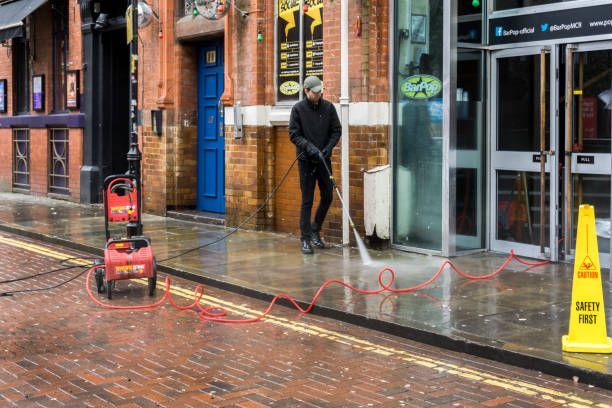
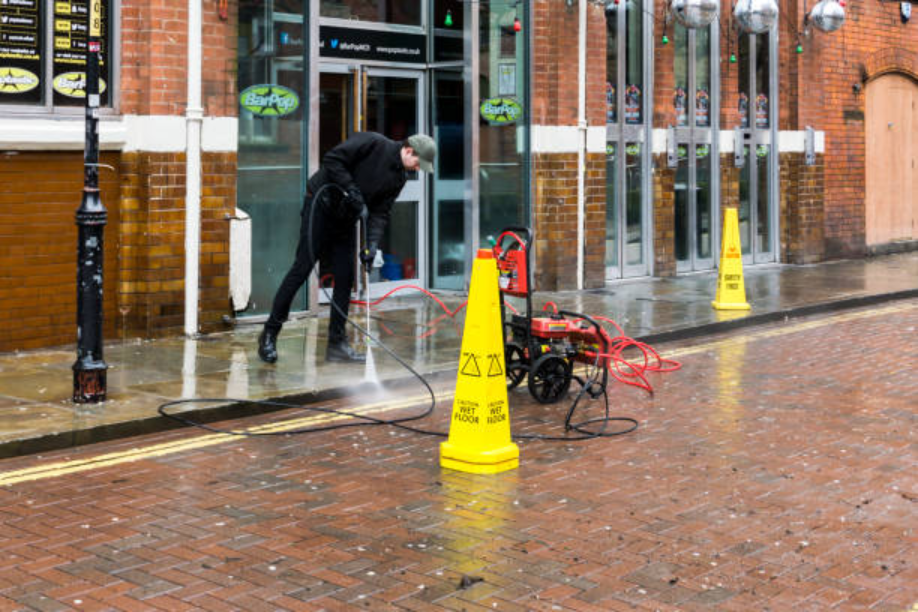
Maintaining a clean and safe exterior is a critical part of restaurant operations. While most restaurant owners focus heavily on kitchen hygiene and dining area presentation, exterior cleanliness is equally important. One of the most effective methods for maintaining an inviting and sanitary exterior is a properly planned restaurant pressure washing schedule.Grease buildup, food spills, foot traffic stains, and weather exposure can quickly degrade the appearance and safety of a restaurant exterior. Over time, these contaminants can also create slip hazards, attract pests, and negatively impact customer perception.
This guide explains how often restaurants should schedule pressure washing, what factors influence frequency, and how to build an effective maintenance plan that supports long-term cleanliness and compliance.
Why Exterior Cleaning Matters for Restaurants
Restaurant cleanliness is not limited to indoor spaces. The exterior is the first impression customers have before entering the establishment. A well-maintained facade signals professionalism, hygiene, and attention to detail.
Regular restaurant exterior maintenance pressure washing helps address common issues such as:
- Grease accumulation near dumpsters and loading zones
- Food and beverage spills on sidewalks and entryways
- Mold, mildew, and algae growth in humid climates
- Dirt buildup from vehicle and foot traffic
- Gum, stains, and debris in outdoor seating areas
A consistent cleaning routine also helps reduce long-term surface damage, especially on concrete, brick, and stone surfaces commonly found in restaurant environments. This schedule is not fixed and should be adjusted based on real-world conditions.
Key Factors That Influence Pressure Washing Frequency
Several environmental and operational factors determine how often a restaurant should be cleaned.
1. Foot Traffic Levels
Higher customer volume leads to more dirt, spills, and wear on exterior surfaces. Entryways and sidewalks in busy restaurants require more frequent cleaning.
2. Grease and Food Handling
Restaurants that rely heavily on frying or grilling generate more grease residue. This is especially important around dumpsters and service exits.
3. Weather Conditions
Rain, humidity, and heat can accelerate mold and mildew growth. In regions with monsoon-like conditions, cleaning frequency may need to increase.
4. Surrounding Environment
Restaurants located near busy roads or construction zones may experience faster dust accumulation.
5. Waste Disposal Practices
Improperly maintained waste areas contribute to odors, pests, and staining, requiring more frequent commercial kitchen exterior cleaning support.
Seasonal Considerations for Pressure Washing
A smart restaurant exterior maintenance pressure washing plan also considers seasonal variations.
Summer
High temperatures and humidity increase bacterial growth and grease odor issues. Monthly cleaning may be required for high-traffic restaurants.
Monsoon or Rainy Season
Water combined with organic waste can create slippery surfaces and mold growth. Entryways and sidewalks should be cleaned more frequently.
Winter or Dry Season
Dust accumulation increases, especially in open or roadside locations. Cleaning schedules can be slightly reduced but should not be eliminated.
Benefits of a Consistent Pressure Washing Schedule
A structured cleaning plan offers several operational and business advantages.
Improved Safety
Grease and algae buildup can cause slip-and-fall accidents. Regular cleaning reduces liability risks.
Better Customer Experience
A clean exterior improves first impressions and encourages repeat visits.
Pest Control Support
Food residue and waste buildup can attract rodents and insects. Pressure washing helps eliminate these attractants.
Longer Surface Life
Dirt and grime can degrade concrete, brick, and tile over time. Routine cleaning extends material lifespan.
Compliance with Health Standards
Many local health and safety guidelines indirectly support maintaining clean exterior environments.
How Pine State Pressure Washing Supports Restaurant Maintenance
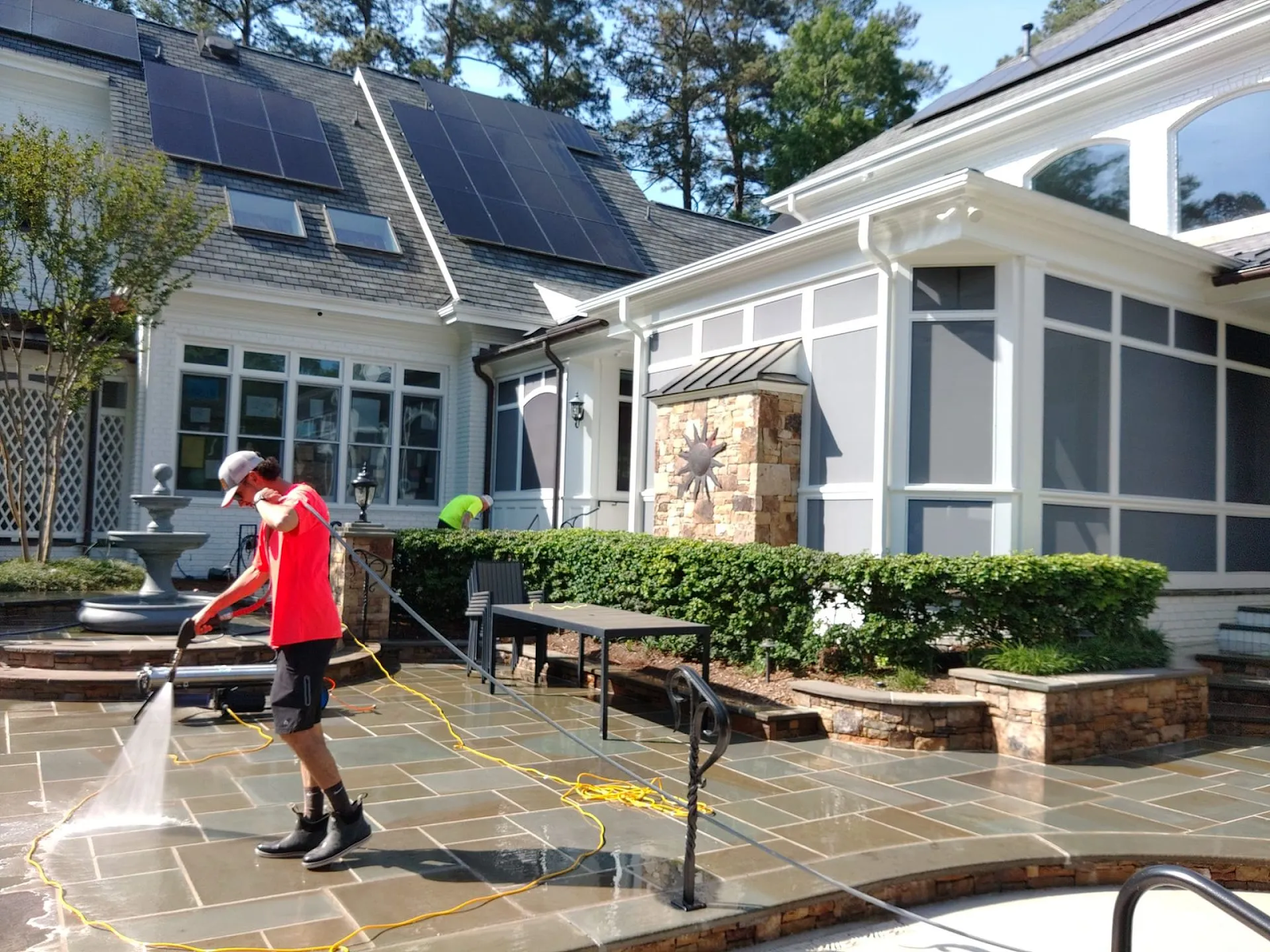
Companies like Pine State Pressure Washing specialize in maintaining commercial restaurant environments through structured exterior cleaning solutions. Their work typically includes targeted cleaning of sidewalks, dumpster pads, drive-thrus, and entry points.
For more details about restaurant-specific cleaning applications, you can review their service focus here:
Their main website provides additional context on commercial cleaning services:
While not every restaurant requires the same schedule, service providers like Pine State Pressure Washing help assess conditions and recommend appropriate cleaning intervals based on usage patterns.
Integrating Pressure Washing Into a Maintenance Plan
A well-organized maintenance system ensures consistency and prevents buildup over time. Restaurants should not rely on reactive cleaning alone.
Steps to Build a Schedule
- Evaluate traffic patterns and peak hours
- Identify high-risk zones such as dumpsters and entrances
- Determine seasonal cleaning requirements
- Set recurring cleaning intervals (monthly, quarterly, etc.)
- Adjust based on inspection results
This structured approach ensures that restaurant pressure washing schedule planning becomes part of regular facility management rather than an emergency response.
Common Surfaces That Require Regular Pressure Washing
Different exterior materials require varying levels of attention.
Concrete Surfaces
Most common in restaurant exteriors. Absorbs grease easily and requires frequent cleaning.
Brick Walls
Porous and prone to algae and mildew buildup.
Asphalt and Parking Areas
Collect oil stains and tire marks over time.
Outdoor Dining Areas
Food spills and beverage stains require consistent maintenance.
Dumpster Pads
One of the highest priority zones due to odor and contamination risk.
Professional Cleaning Process Overview
A standard commercial pressure washing process typically includes:
- Pre-inspection of surfaces and problem areas
- Application of degreasers for grease-heavy zones
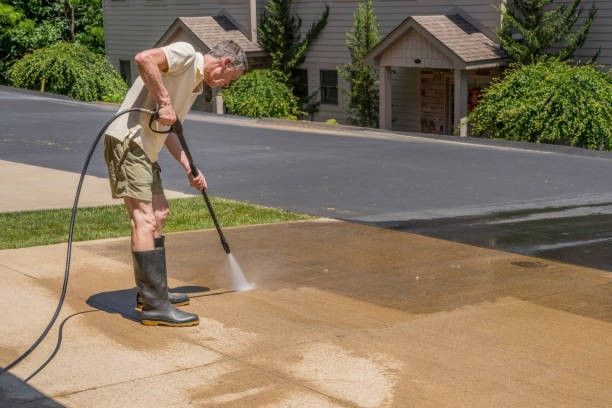
- Controlled pressure washing to avoid surface damage
- Targeted stain removal
- Rinse and post-clean evaluation
This process ensures both cleanliness and surface preservation, especially in high-use restaurant environments.
Conclusion
Establishing a consistent restaurant pressure washing schedule is essential for maintaining cleanliness, safety, and customer trust. While the exact frequency varies by restaurant type and environment, most businesses benefit from monthly to quarterly cleaning cycles. By integrating structured commercial kitchen exterior cleaning practices and monitoring seasonal conditions, restaurant owners can ensure long-term exterior maintenance that supports both operations and customer experience.
A proactive approach, combined with professional support from providers like Pine State Pressure Washing, helps restaurants maintain a clean, safe, and visually appealing environment year-round. To learn more or get in touch for service details, visit Pine State Pressure Washing.
FAQ: Restaurant Pressure Washing Schedule
How often should a restaurant be pressure washed?
Most restaurants require cleaning every 1 to 3 months, depending on traffic, grease levels, and environmental conditions.
What areas should be cleaned most frequently?
Entryways, sidewalks, dumpster zones, and drive-thrus typically need the most frequent cleaning.
Does pressure washing help with pest control?
Yes. Removing food residue and waste buildup reduces attractants for pests such as rodents and insects.
Can pressure washing damage restaurant surfaces?
When done correctly, pressure washing is safe. However, improper pressure levels can damage softer materials like wood or aged brick.
Is seasonal cleaning necessary?
Yes. Weather conditions such as humidity and rain can increase buildup and require adjusted cleaning schedules.
What is included in restaurant exterior maintenance pressure washing?
It typically includes sidewalks, walls, parking areas, dumpster zones, and entry points.