Roof Soft Washing: Why Low Pressure Is the Safe Way to Clean Raleigh Roofs
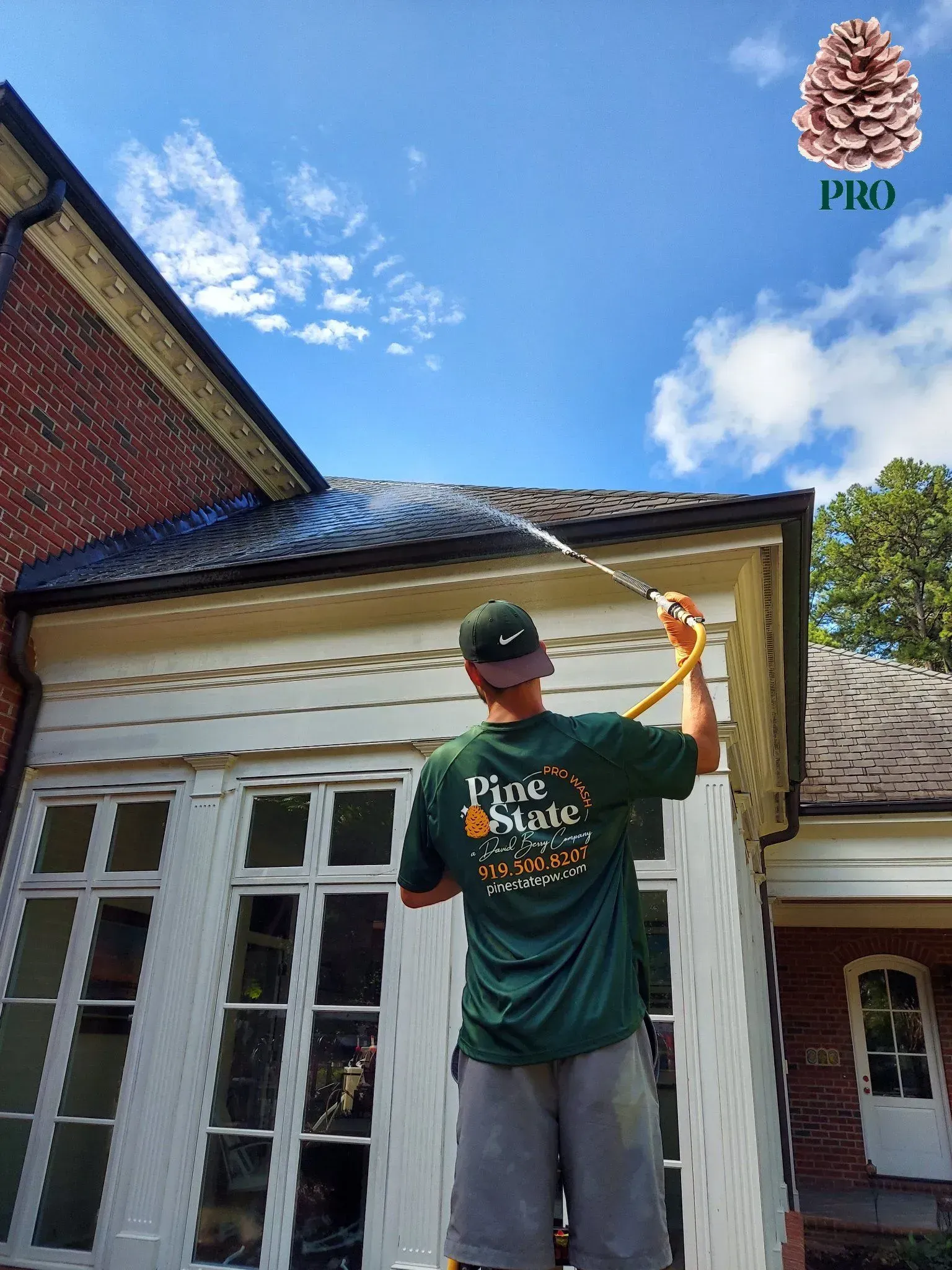
Roof soft washing uses low water pressure combined with a cleaning solution to remove algae, dirt, moss, and other organic buildup without the force of traditional pressure washing. For Raleigh homes, this method is generally safer for asphalt shingles because it cleans the roof surface without aggressively blasting the shingles. A proper roof soft wash can remove black streaks on roof surfaces while helping preserve the roof's protective granules. Pine State Pro Wash uses surface-appropriate cleaning methods designed around the condition and material of the roof.
Roof Soft Washing in Raleigh: The Safe Cleaning Method
A roof can look dirty long before a homeowner notices any serious problem. Dark streaks, green patches, moss, and accumulated debris can gradually change the appearance of a property. Raleigh's humid conditions can also create an environment where organic growth remains active on shaded or damp roof areas.
Traditional high-pressure washing is not usually the right solution for asphalt shingles. Excessive pressure can loosen granules, damage the shingle surface, and force water beneath roofing materials. Soft washing takes a different approach by allowing the cleaning solution to do most of the work.
Roof soft washing process generally involves applying a roof-safe solution at low pressure, allowing it enough time to break down organic growth, and then rinsing the surface carefully. The result is a cleaner roof without relying on aggressive water pressure.
Why High Pressure Can Damage Roof Shingles
Asphalt shingles are designed to protect the structure below them, but they are not built to withstand concentrated high-pressure water from close range.
Pressure washing a roof can create several problems:
- Granule loss: Shingle granules provide protection from sunlight and weather. Excessive pressure can loosen them.
- Surface damage: Strong water pressure can wear away or damage the outer shingle layer.
- Water intrusion: Incorrect spraying can drive water beneath shingles or around vulnerable roofing areas.
- Premature deterioration: Repeated aggressive cleaning may shorten the useful life of roofing materials.
- Voided warranties: Some roofing manufacturers have specific cleaning recommendations, and improper cleaning may conflict with those instructions.
Low pressure reduces these risks because the cleaning process relies on chemical action rather than force.
What Makes a Roof Soft Wash Different?
The main difference is how the cleaning power is delivered. Pressure washing depends heavily on water force. Soft washing uses a controlled cleaning solution and gentle rinsing.
A professional roof soft wash typically includes several stages:
- Roof inspection: The technician checks the roofing material, visible damage, growth, drainage areas, and surrounding property.
- Property protection: Plants, outdoor furniture, walls, windows, and other nearby surfaces are protected as needed.
- Solution application: A suitable cleaning solution is applied at low pressure to break down algae and organic buildup.
- Dwell time: The solution remains on the surface long enough to work against the contamination.
- Controlled rinsing: The roof is rinsed using low pressure rather than aggressive blasting.
- Final inspection: Remaining buildup and vulnerable areas are checked before the work is completed.
This controlled process is particularly useful for residential roofs where preserving the condition of the shingles matters as much as improving appearance.
What Causes Black Streaks on Roof Shingles?
Those dark lines running down many asphalt shingle roofs are often caused by a type of algae commonly associated with roof discoloration. The growth can spread across areas that receive moisture and limited sunlight.
Black streaks on roof surfaces are more than an appearance issue for homeowners concerned about maintaining a clean exterior. Organic growth can retain moisture and make the roof look older than it actually is.
Raleigh's climate can contribute to recurring growth because roofs are exposed to humidity, rain, shaded conditions, and seasonal moisture. North-facing roof sections and areas beneath trees may stay damp for longer periods.
A suitable cleaning method removes the visible buildup while reducing the need for damaging mechanical force.
Why Raleigh Roofs Can Develop Algae and Moss
Several conditions can encourage organic growth on residential roofs:
- Frequent rainfall and humid weather
- Shaded roof sections
- Overhanging trees
- Poor airflow around parts of the roof
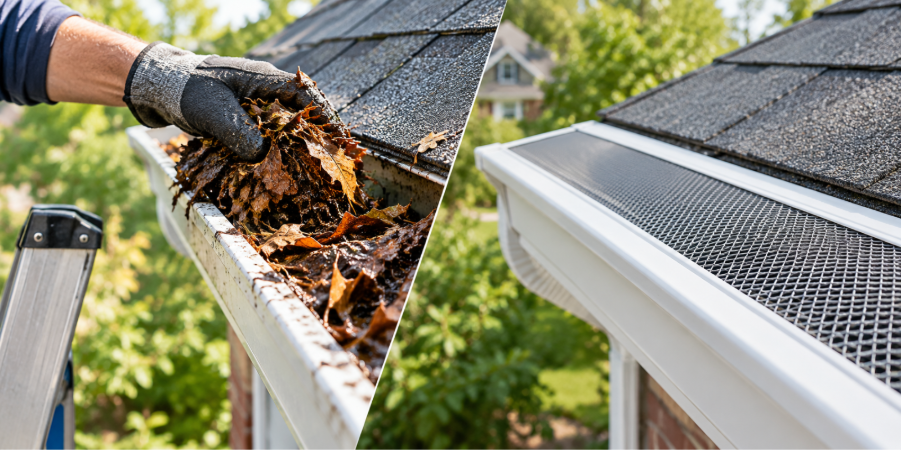
- Leaves and debris collecting in roof valleys
- Moisture remaining on shingles for extended periods
- Limited direct sunlight
Not every roof develops the same type or amount of buildup. Roof age, material, slope, surrounding landscaping, and exposure all influence how quickly a roof becomes dirty.
Algae roof cleaning NC homeowners need should therefore focus on the actual condition of the roof rather than applying the same cleaning process to every property.
Soft Washing vs. Pressure Washing for Roof Cleaning
The difference becomes clearer when the two methods are compared.
| Factor | Roof Soft Washing | High-Pressure Washing |
|---|---|---|
| Cleaning Method | Cleaning solution plus low-pressure rinse. | High-pressure water. |
| Shingle Protection | Designed to minimize physical impact. | Greater risk of granule loss. |
| Organic Growth Removal | Uses chemical action. | Relies heavily on water force. |
| Suitable for Asphalt Shingles | Generally preferred when properly performed. | Generally not recommended. |
| Risk of Surface Damage | Lower when correctly applied. | Higher if pressure is excessive. |
| Approach | Controlled and material-specific. | Force-based cleaning. |
The goal of roof cleaning is not simply to make the shingles look cleaner. The cleaning method must also account for the material being treated.
Does Soft Washing Remove Black Roof Streaks?
Yes. A properly selected roof cleaning solution can break down the organic growth responsible for many dark roof streaks. The solution is given time to work before the roof is gently rinsed.
Some staining may not disappear instantly, especially when buildup has been present for a long period. Severe growth may also require additional treatment rather than stronger water pressure.
Using more pressure is not the answer. A controlled cleaning process is safer for shingles and can provide a more appropriate way to address persistent organic staining.
How Often Should Raleigh Roofs Be Soft Washed?
There is no single schedule that applies to every Raleigh home. A roof surrounded by mature trees and heavy shade may develop buildup faster than a roof exposed to direct sunlight.
Homeowners can monitor several signs:
- Dark streaks becoming more visible
- Green algae or moss appearing on shingles
- Leaves and organic debris accumulating
- Roof sections remaining damp or shaded
- Visible growth spreading across larger areas
Regular exterior inspections can help identify buildup before it becomes extensive. Cleaning should also be coordinated with the condition and manufacturer's recommendations for the roofing material.
Signs Your Roof Needs Professional Cleaning
A roof may need cleaning when visible organic growth begins affecting a noticeable portion of the surface. Professional assessment is especially useful when the roof has steep sections, difficult access, fragile materials, or existing damage.
Look for:
Dark streaking: Long black or brown streaks are a common sign of algae-related discoloration.
Green growth: Green areas may indicate algae, moss, or other organic material.
Heavy debris: Leaves and branches can retain moisture and contribute to buildup.
Uneven appearance: Large differences between shaded and exposed roof sections can indicate recurring contamination.
Moss around shingle edges: Moss can lift or disturb shingles as it grows, making professional evaluation worthwhile.
Cleaning does not replace roof repair. Cracked, missing, lifted, or severely deteriorated shingles should be evaluated by a qualified roofing professional.
Protecting Landscaping During Roof Cleaning
Roof cleaning involves more than the roof itself. Cleaning solutions and rinse water can affect nearby vegetation, exterior walls, windows, vehicles, and outdoor items if they are not properly managed.
A professional crew should account for the surrounding property before applying any solution. This may include:
- Wetting and protecting vegetation
- Covering sensitive outdoor items
- Controlling runoff
- Managing overspray
- Rinsing affected areas as needed
- Keeping cleaning solutions away from unintended surfaces
Careful preparation helps keep the cleaning process controlled from start to finish.
Why Low Pressure Matters More Than Strong Water Flow
A clean roof does not require the strongest equipment available. In fact, stronger water pressure can create unnecessary risk on delicate roofing materials.
Low-pressure cleaning provides a more controlled way to treat shingles because the solution performs much of the cleaning work. The technician can focus on coverage, dwell time, rinsing, and protecting the surrounding property instead of trying to remove every stain through mechanical force.
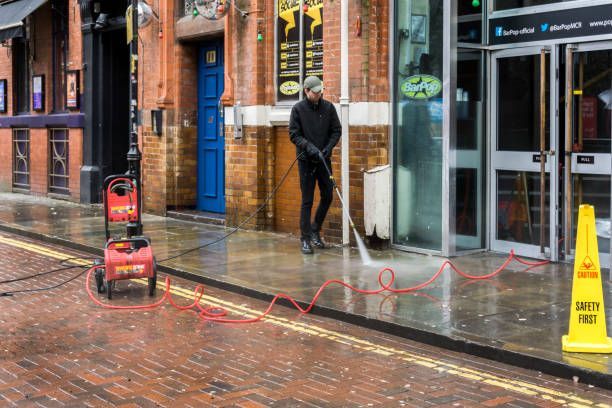
That distinction matters because roofing materials are not the same as concrete driveways or other hard surfaces. A cleaning method suitable for a driveway should not automatically be used on a roof.
Choosing the Right Cleaning Method for Your Roof
The appropriate method depends on the roofing material, its condition, the type of buildup, and the surrounding property.
Before cleaning, homeowners should consider:
- Roofing material: Asphalt shingles require different treatment from metal, tile, or other roofing systems.
- Roof condition: Existing damage should be identified before cleaning begins.
- Type of buildup: Algae, moss, dirt, and general debris may require different treatment considerations.
- Roof accessibility: Steep or difficult sections may require specialized equipment and procedures.
- Manufacturer guidance: Roofing material recommendations should be considered before selecting a cleaning method.
A professional assessment can help prevent the common mistake of treating a roof like a hard exterior surface.
A Cleaner Roof Without Aggressive Pressure
Roof cleaning should remove contamination without creating a new problem. For Raleigh homeowners, soft washing provides a practical method for treating algae, dirt, moss, and dark staining while reducing the physical impact on asphalt shingles.
Low-pressure application, an appropriate cleaning solution, controlled dwell time, and careful rinsing are the main elements of a responsible roof cleaning process. The method is designed to clean the surface rather than force contaminants away through aggressive water pressure.
Pine State Pro Wash approaches exterior cleaning with attention to the material being cleaned, the condition of the property, and the surrounding landscape. That matters because a roof requires a different cleaning strategy from concrete, siding, or a driveway.
A Safer Cleaning Method for Raleigh Roofs
Low-pressure roof soft washing addresses the main problem with aggressive roof cleaning: too much force can damage the surface that homeowners are trying to protect. By using an appropriate cleaning solution and controlled rinsing, homeowners can remove algae, dirt, moss, and dark staining without treating shingles like concrete.
For Raleigh properties, regular inspection and timely cleaning can also help keep organic growth from becoming a larger maintenance concern. If your roof has developed dark streaks or visible algae, contact us to discuss the condition of the roof and the appropriate cleaning method before choosing a cleaning service. A careful cleaning process can improve the appearance of the property while respecting the roofing material.
Frequently Asked Questions
Is soft washing safe for asphalt shingles?
Soft washing is generally considered a safer cleaning method for asphalt shingles than high-pressure washing when the process is performed correctly. It uses low water pressure and a suitable cleaning solution rather than relying on force to remove buildup.
Can I pressure wash my roof?
High-pressure washing is generally not recommended for asphalt shingles. Excessive pressure can loosen protective granules, damage the surface, and potentially drive water into areas where it does not belong.
How does soft washing remove roof algae?
A suitable cleaning solution breaks down algae and other organic buildup on the shingles. After the solution has enough time to work, the roof is rinsed with controlled low pressure.
How long does a roof soft wash last?
The results depend on shade, moisture, surrounding trees, roof condition, and the amount of organic growth present. Roofs in damp or heavily shaded areas may develop new growth sooner than roofs with greater sunlight exposure.
Does roof soft washing remove black streaks?
A properly performed soft wash can remove many algae-related dark streaks from asphalt shingles. Older or severe staining may require additional treatment and should be assessed based on the roof's condition.
Is roof soft washing better than pressure washing?
For asphalt shingle roofs, soft washing is generally the more appropriate approach because it relies on cleaning chemistry and low pressure instead of aggressive water force. The goal is effective cleaning with less risk of damaging the shingles.