Driveway Pressure Washing: How It Works and Why It Matters
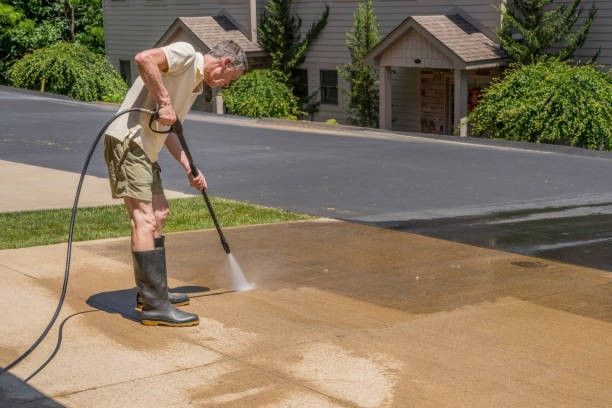
Driveways are one of the most frequently used exterior surfaces in residential properties. Over time, they collect dirt, oil stains, tire marks, algae, and environmental debris. This buildup not only affects appearance but also surface durability. Driveway pressure washing helps restore cleanliness and maintain structural integrity through controlled high-pressure cleaning techniques designed for different surface types and conditions.
What Is Driveway Pressure Washing?
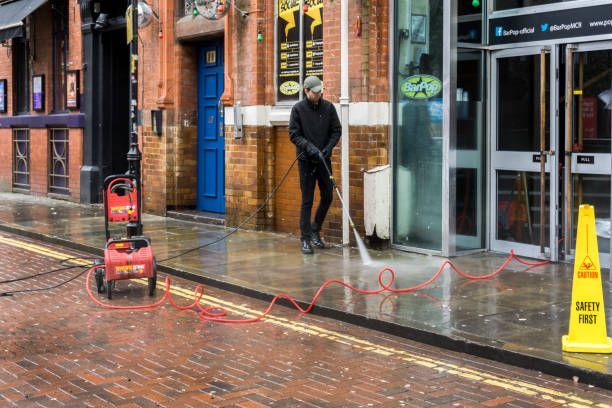
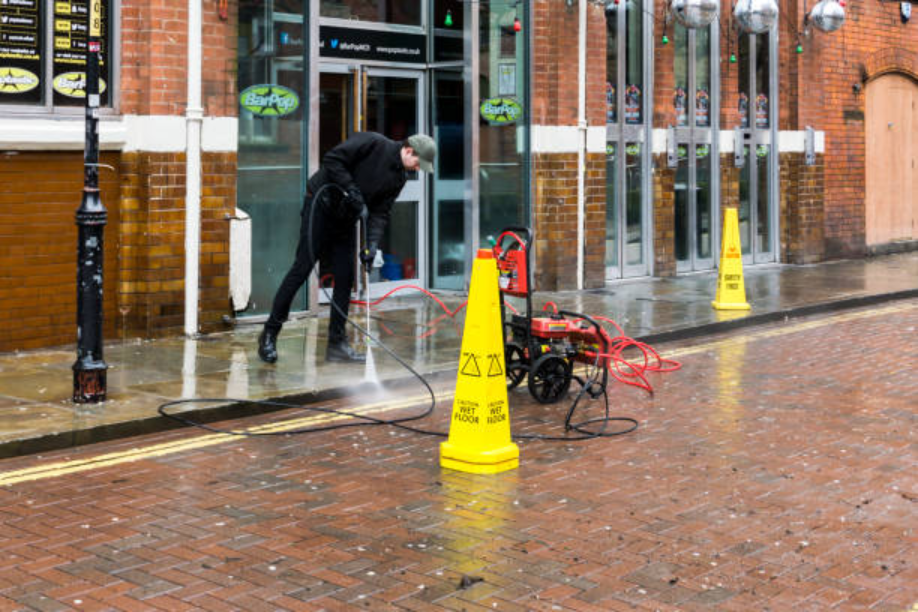
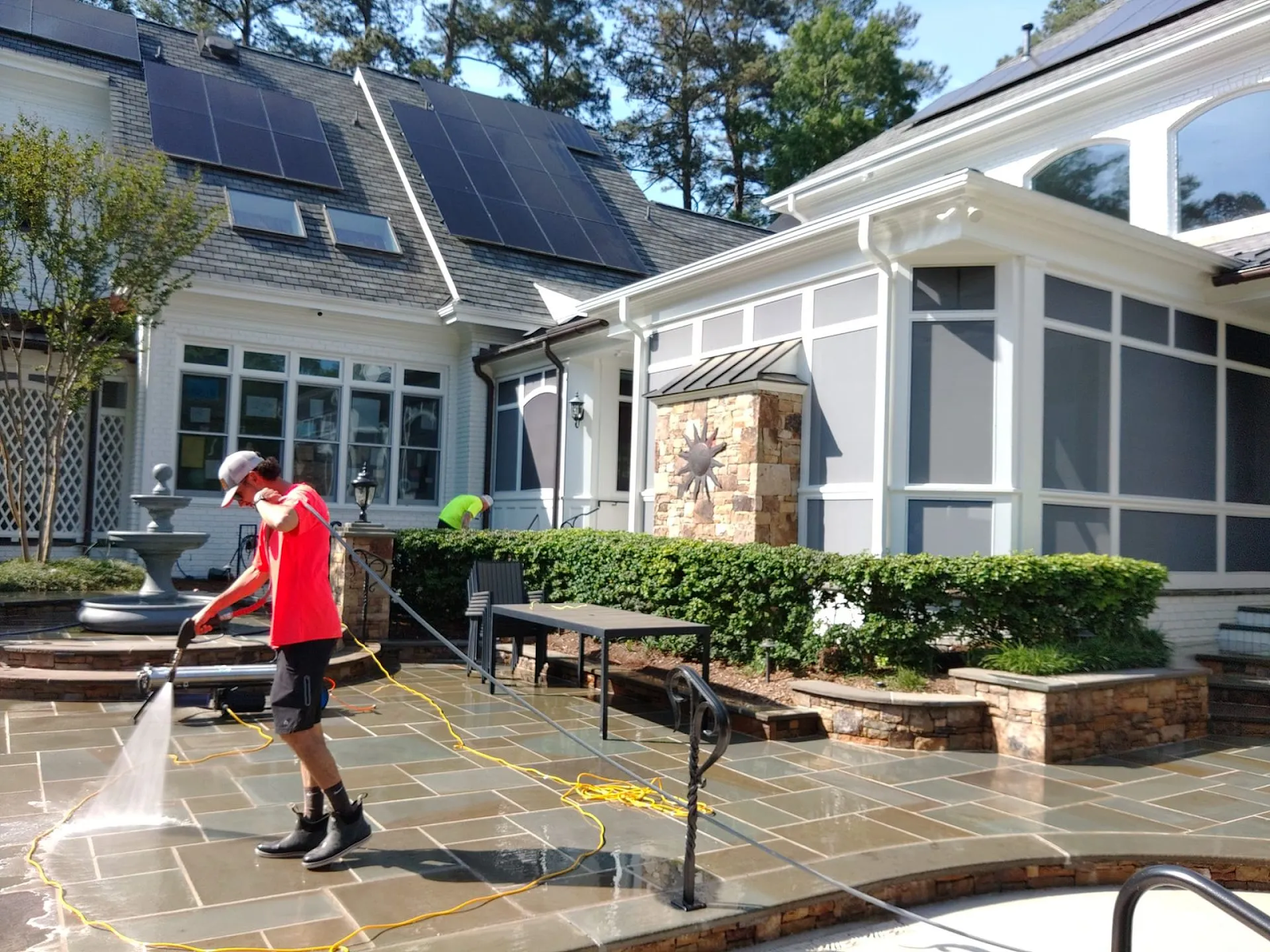
Driveway pressure washing is a deep cleaning method that uses pressurized water to remove embedded dirt and stains from hard surfaces. It is more effective than regular washing because it targets buildup within porous materials like concrete and pavers. This process is commonly used in residential maintenance to improve appearance and safety.
- Uses high-pressure water jets
- Removes deep-set stains and grime
- Suitable for concrete, asphalt, and pavers
- Enhances surface cleanliness and longevity
Why Driveway Cleaning Matters
Regular driveway cleaning is essential for both aesthetic and functional reasons. Outdoor surfaces are constantly exposed to weather, vehicle fluids, and organic growth, which can degrade the material over time. Neglecting cleaning can lead to permanent stains and surface weakening.
Important benefits include:
- Prevents long-term surface damage
- Improves property appearance and value
- Reduces slippery algae buildup
- Helps avoid costly repairs later
- Maintains a cleaner outdoor environment
How Driveway Pressure Washing Works
The process of driveway pressure washing involves structured steps to ensure effective cleaning without damaging the surface. Each stage is designed to treat stains, loosen debris, and restore the original surface appearance.
Step-by-step process:
- Surface inspection for cracks or stains
- Application of cleaning solution to break down grime
- High-pressure washing using specialized equipment
- Controlled rinsing to remove residue
- Final inspection for uniform results
This structured method ensures consistent cleaning outcomes.
Equipment Used in Driveway Pressure Washing
Professional pressure washing services rely on advanced equipment to achieve efficient and safe cleaning results. The right tools ensure proper pressure control and surface protection during the cleaning process.
Common equipment includes:
- Industrial-grade pressure washers
- Adjustable spray nozzles
- Surface cleaner attachments
- Eco-friendly detergents
- Protective gear for operators
Each tool plays a role in delivering precise and controlled cleaning.
Types of Driveway Surfaces and Cleaning Approach
Different materials require different cleaning techniques in concrete pressure washing and general surface care. Using the wrong pressure level can damage the driveway, so adjustments are essential.
Surface-specific approaches:
- Concrete: High pressure with degreasers for stains
- Asphalt: Low pressure to avoid surface wear
- Pavers: Moderate pressure to protect joint sand
- Stamped surfaces: Gentle cleaning to preserve texture
Proper matching of technique and material ensures safety.
Driveway Pressure Washing vs DIY Cleaning
Many homeowners attempt DIY cleaning, but professional services often deliver better and safer results. The difference lies in equipment quality, experience, and pressure control.
Key comparisons:
- Professionals use commercial-grade machines
- DIY methods may cause uneven cleaning
- Experts adjust pressure based on surface type
- Time efficiency is higher with professionals
- Reduced risk of surface damage
DIY may work for light cleaning, but not for deep stains.
Common Stains Removed by Pressure Washing
Driveways accumulate various types of stains that require specialized cleaning techniques. Driveway pressure washing is effective in removing both organic and chemical buildup.
Typical stains include:
- Engine oil and grease leaks
- Tire scuff marks
- Mold and algae growth
- Rust stains from metal objects
- Dirt and mud accumulation
Some stains may require repeated treatment for full removal.
Benefits of Professional Driveway Pressure Washing
Hiring professionals ensures better results and reduces the risk of surface damage. Experienced technicians understand how to balance pressure and cleaning agents effectively.
Key benefits include:
- Even and thorough cleaning results
- Faster completion time
- Safer handling of equipment
- Longer-lasting cleanliness
- Reduced maintenance costs over time
Professional care also improves overall curb appeal.
How Often Should Driveways Be Pressure Washed?
The frequency of driveway cleaning depends on usage, weather, and surrounding environment. Regular maintenance prevents long-term staining and buildup.
General guidelines:
- Residential driveways: once a year
- High-traffic areas: every 6–9 months
- Shaded or damp areas: more frequent cleaning
- After heavy seasonal changes: recommended
Routine cleaning helps maintain surface condition.
Environmental Considerations
Modern pressure washing services focus on environmentally responsible practices. This includes water conservation and safe chemical usage to minimize environmental impact.
Key practices include:
- Use of biodegradable cleaning agents
- Controlled water pressure systems
- Proper wastewater drainage
- Minimal chemical usage
- Compliance with local regulations
These steps ensure safe and sustainable cleaning.
DIY Driveway Pressure Washing Tips
Homeowners who choose DIY cleaning should follow safety precautions to avoid damage or injury. Proper technique is essential for acceptable results.
Useful tips:
- Start with low pressure settings
- Keep nozzle at a consistent distance
- Use suitable cleaning detergents
- Test a small area first
- Avoid prolonged focus on one spot
Even with care, results may differ from professionals.
Cost Factors for Driveway Pressure Washing
The cost of driveway pressure washing varies depending on several factors. Understanding these helps homeowners plan their budget effectively.
Main cost influences:
- Driveway size and layout
- Type of surface material
- Level of staining or damage
- Accessibility of the area
- Equipment and service type used
Prices may vary between providers.
Maintenance Tips After Pressure Washing
After cleaning, proper maintenance helps extend results and reduce future buildup. Simple habits can keep the surface cleaner for longer periods.
Maintenance tips:
- Clean spills immediately
- Sweep regularly to remove debris
- Avoid harsh chemical use
- Inspect for cracks periodically
- Schedule routine cleaning cycles
Consistent care reduces long-term damage.
Role of Professional Service Providers
Companies like Pine State Pressure Washing provide structured exterior cleaning solutions tailored to different surface conditions. Their approach focuses on safe cleaning techniques and proper equipment usage to ensure effective results without damaging materials.
Their services typically include:
- Surface assessment before cleaning
- Customized pressure adjustment
- Use of appropriate detergents
- Post-cleaning inspection
Common Mistakes to Avoid
Improper cleaning techniques can lead to surface damage or ineffective results. Avoiding common mistakes ensures better outcomes.
Mistakes include:
- Using too much pressure on delicate surfaces
- Skipping pre-treatment steps
- Holding nozzle too close
- Ignoring water drainage direction
- Using incorrect cleaning agents
Proper technique ensures long-term surface protection.
Future Trends in Driveway Cleaning
The pressure washing services industry is evolving with improved technology and eco-friendly methods. New advancements are making cleaning more efficient and sustainable.
Emerging trends include:
- Water-efficient pressure systems
- Smart pressure control technology
- Eco-safe detergent formulations
- Heat-assisted cleaning systems
- Faster surface cleaning attachments
These innovations improve both performance and safety.
Conclusion
Driveway pressure washing plays an important role in maintaining residential property appearance and durability. It removes deep stains, prevents surface damage, and improves overall cleanliness. Whether done professionally or as maintenance, understanding the process helps homeowners make informed decisions about long-term driveway care and upkeep. A well-maintained driveway also enhances curb appeal and creates a cleaner, more welcoming exterior environment. This is especially important for homeowners planning to sell or simply maintain property value. Professional services such as those offered byPine State Pressure Washing ensure that the correct pressure levels and cleaning solutions are used for different surface types, reducing the risk of damage while delivering consistent results.
For homeowners looking to maintain their exterior surfaces effectively, it is also helpful to get in touch for guidance or service recommendations tailored to specific driveway conditions. Proper scheduling, combined with expert assessment, ensures that cleaning is both efficient and long-lasting, helping protect the investment in your property over time.
Frequently Asked Questions (FAQ)
What is driveway pressure washing used for?
It removes dirt, oil, stains, and organic growth from hard driveway surfaces using high-pressure water systems.
Is pressure washing safe for all driveways?
Yes, but pressure must be adjusted depending on whether the surface is concrete, asphalt, or pavers.
How long does driveway pressure washing take?
Most driveways take 1–3 hours depending on size and level of dirt buildup.
Can pressure washing remove oil stains completely?
Fresh stains are easier to remove, while older stains may require multiple treatments.
How often should I schedule driveway cleaning?
Once a year is typical, but high-use driveways may need more frequent cleaning.
Do I need professional pressure washing services?
Professional services are recommended for deep cleaning and to avoid accidental surface damage.