Common Commercial Stains and Pressure Washing Solutions
Commercial properties are exposed to constant foot traffic, vehicle movement, weather conditions, and environmental pollutants. Over time, these factors contribute to visible staining on concrete, siding, roofs, sidewalks, and parking areas. While some stains may appear cosmetic, many can create safety concerns, accelerate surface deterioration, and affect how a business is perceived by customers and tenants.
This article explains the most common types of commercial stains, why they occur, and how commercial power washing services address them effectively. It also outlines the professional pressure washing methods used to clean different surfaces without causing damage. Businesses exploring long-term property maintenance solutions can use this information to better understand when and why professional cleaning is necessary.
Throughout the article, examples reference Pine State Pressure Washing to illustrate how experienced providers approach stain removal using industry-standard techniques.
Why Commercial Stains Require Professional Cleaning
Commercial stains differ from residential stains in both scale and complexity. Larger surface areas, higher levels of contamination, and stricter safety expectations mean that basic cleaning methods are often insufficient. Some stains penetrate porous materials such as concrete or brick, making them difficult to remove without specialized equipment.
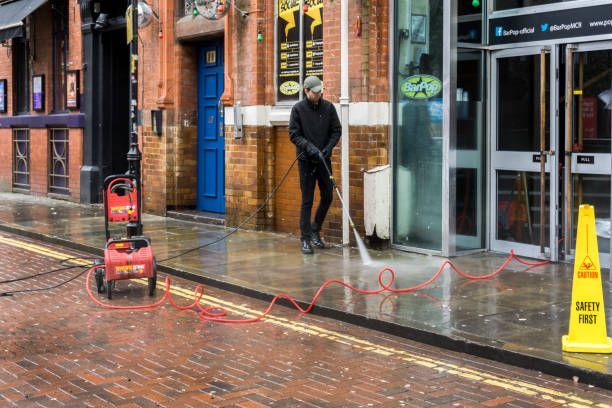
Professional pressure washing addresses these challenges by combining controlled water pressure, surface-appropriate detergents, and trained application techniques. Commercial power washing services are designed to clean efficiently while preserving the integrity of building materials.
Key reasons businesses rely on professional pressure washing include improved safety, regulatory compliance, surface longevity, and consistent property appearance.
Common Types of Commercial Stains
Different stains require different cleaning approaches. Identifying the stain type is the first step in determining the appropriate pressure washing method.
Oil and Grease Stains
Oil and grease stains are among the most common issues on commercial properties, particularly in parking lots, loading docks, drive-through lanes, and service areas.
Common sources include:
- Vehicle leaks
- Delivery trucks
- Mechanical equipment
- Waste handling areas
These stains bond with concrete and asphalt, creating dark, slippery patches. Over time, they attract dirt and debris, making the affected area increasingly difficult to clean.
How Professional Pressure Washing Removes Oil and Grease
Professional pressure washing uses degreasers specifically formulated to break down petroleum-based substances. The process typically involves pre-treatment, controlled dwell time, and hot water pressure washing to lift oil from the surface.
Pine State Pressure Washing applies surface-appropriate degreasers followed by regulated pressure levels to avoid etching concrete while effectively removing residue.
Mold, Mildew, and Algae Growth
Biological growth thrives in shaded, damp environments. Commercial buildings with limited sunlight, poor drainage, or high humidity are especially susceptible.
Common locations include:
- Building siding
- Roofs
- Sidewalks
- Dumpster enclosures
- Entryways
Mold and algae are not only visually unappealing but can also create slip hazards and contribute to surface deterioration.
How Professional Pressure Washing Treats Organic Growth
Commercial pressure washing for biological stains focuses on treatment rather than force. Low-pressure washing combined with cleaning solutions designed to neutralize spores is typically used. This approach removes visible growth and helps delay regrowth.
Professional pressure washing services ensure that cleaning agents are applied evenly and rinsed thoroughly to protect landscaping and surrounding surfaces.
Rust and Oxidation Stains
Rust stains appear as reddish-brown discoloration caused by metal fixtures, irrigation systems, fertilizers, or standing water with high iron content.
Common problem areas include:
- Sidewalks
- Building exteriors
- Parking structures
- Around sprinkler heads
Rust stains can become deeply embedded in porous materials, making them resistant to standard cleaning.
How Professional Pressure Washing Removes Rust
Rust removal often requires specialty cleaners formulated to dissolve iron deposits. These products are used in conjunction with controlled pressure washing to lift stains without damaging the surface.
Experienced providers like Pine State Pressure Washing assess the material type before selecting the appropriate treatment to prevent surface degradation.
Gum and Adhesive Residue
Chewing gum, tape residue, and adhesive spills are common near storefronts, schools, restaurants, and entertainment venues. These substances harden over time and attract dirt, making them more noticeable.
Professional Techniques for Gum Removal
Professional pressure washing services often use heated water and targeted pressure to soften and remove gum. In some cases, biodegradable solvents are applied to break down adhesives before rinsing.
This method allows for precise removal without spreading residue across surrounding surfaces.
Graffiti and Paint Overspray
Graffiti and paint overspray affect both appearance and property value. Commercial buildings in high-traffic or urban areas are especially vulnerable.
How Pressure Washing Removes Graffiti
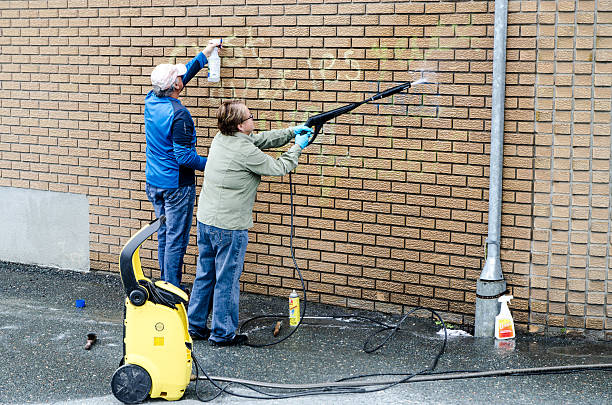
Graffiti removal requires careful surface assessment. Professional pressure washing uses specialized cleaners that loosen paint without damaging brick, concrete, or metal. Pressure levels are adjusted based on surface porosity and coating type.
Commercial power washing services prioritize complete removal while minimizing surface wear.
Dirt, Dust, and Atmospheric Pollution
Airborne pollutants, dust, and vehicle emissions settle on exterior surfaces over time. These stains may appear gradual but contribute to a dull, neglected appearance.
Professional Cleaning for Environmental Stains
Routine professional pressure washing removes layers of accumulated grime, restoring original surface color and improving curb appeal. This type of maintenance cleaning is commonly scheduled on a recurring basis.
Surface-Specific Pressure Washing Considerations
Different materials require different pressure washing techniques. Applying incorrect pressure can cause permanent damage.
Concrete and Asphalt
Concrete is durable but porous. Professional pressure washing removes embedded stains while avoiding surface etching.
Brick and Masonry
Brick requires lower pressure and careful detergent selection to prevent mortar damage.
Vinyl and Metal Siding
Low-pressure washing is used to remove stains without warping or oxidation.
Roofing Materials
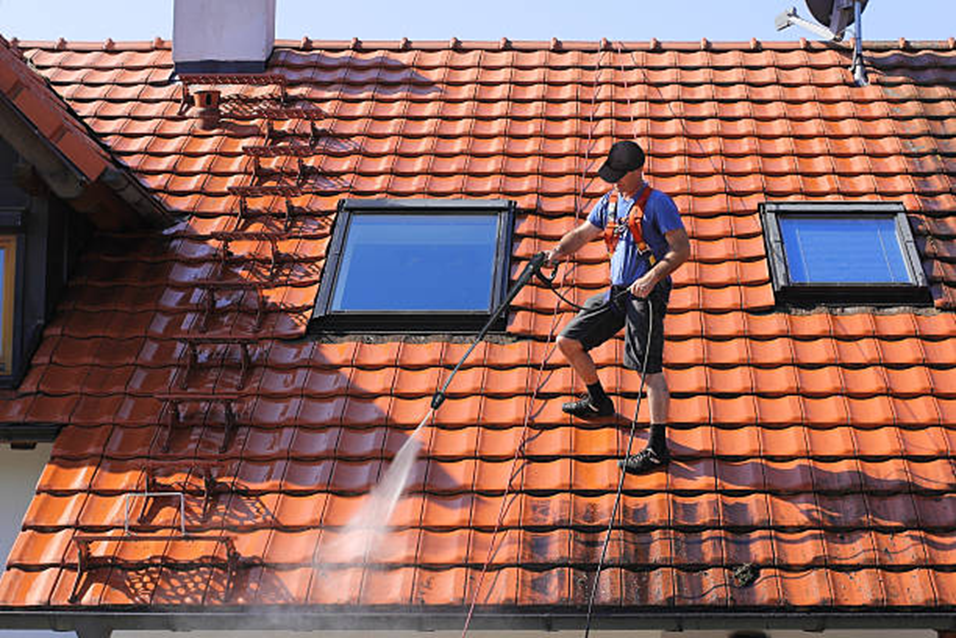
Roof cleaning focuses on low-pressure treatments to remove algae without compromising shingles.
Commercial power washing services tailor methods to each surface type for effective and safe cleaning.
Safety and Environmental Considerations
Professional pressure washing services follow safety and environmental standards to protect people, property, and surrounding areas.
Key considerations include:
- Proper wastewater management
- Use of biodegradable detergents
- Slip hazard mitigation
- Equipment handling protocols
Pine State Pressure Washing incorporates these practices to ensure responsible cleaning operations.
Long-Term Benefits of Professional Pressure Washing
Regular commercial pressure washing offers benefits beyond appearance.
Improved Safety
Removing slippery substances reduces fall risks in high-traffic areas.
Surface Longevity
Routine cleaning prevents premature wear and material breakdown.
Professional Image
Clean exteriors reflect attention to detail and property care.
Maintenance Planning
Scheduled cleaning helps identify surface issues early.
Businesses that integrate professional pressure washing into maintenance plans often experience fewer costly repairs over time.
Choosing a Professional Pressure Washing Provider
When selecting a provider, businesses should consider experience, equipment, surface knowledge, and adherence to safety practices.
Pine State Pressure Washing is one example of a company that focuses on methodical stain assessment and surface-appropriate cleaning solutions.
Conclusion
Commercial stains are an unavoidable part of property ownership, but they do not have to become permanent issues. Understanding the source of stains and the methods used to remove them helps businesses make informed maintenance decisions. Commercial power washing services address a wide range of stains through controlled pressure, specialized treatments, and surface-specific techniques.
Get in touch with professional pressure washing rather than temporary fixes, businesses can maintain safer, cleaner, and more durable exterior surfaces over time. Providers such as Pine State Pressure Washing demonstrate how informed cleaning practices support long-term property care without unnecessary surface damage.
Frequently Asked Questions
What are the most difficult commercial stains to remove?
Oil, rust, and graffiti are often the most challenging because they penetrate surfaces or chemically bond with materials. Professional pressure washing uses targeted treatments to address these stains effectively.
How often should commercial pressure washing be scheduled?
Frequency depends on location, foot traffic, and exposure to contaminants. Many businesses schedule commercial pressure washing annually or semi-annually, with spot treatments as needed.
Can pressure washing damage commercial surfaces?
Improper pressure or techniques can cause damage. Professional pressure washing services adjust pressure levels and cleaning agents based on the surface material.
Is professional pressure washing environmentally safe?
Reputable providers use biodegradable detergents and proper wastewater management to minimize environmental impact.
Does pressure washing remove stains permanently?
- While pressure washing removes existing stains, some surfaces may be prone to future staining. Routine maintenance helps reduce recurrence.