Why Restaurant Exterior Pressure Washing Is a Game Changer for Your Business
Cleanliness is one of the most important indicators of quality in the restaurant industry. While most operators focus heavily on kitchen sanitation and dining room presentation, exterior surfaces are often overlooked. Restaurant pressure washing plays a critical role in maintaining safety, hygiene, and structural integrity while shaping how customers perceive a business before they ever step inside.
Outdoor surfaces are exposed to grease, foot traffic, weather, pollution, and organic growth. Over time, these elements build up and create conditions that affect more than appearance. They can lead to slip hazards, pest activity, regulatory concerns, and accelerated surface deterioration. Addressing these issues requires more than routine sweeping or hosing down surfaces.
This article explores why restaurant exterior pressure washing is an essential component of responsible facility maintenance. It explains how consistent cleaning supports health standards, protects infrastructure, and contributes to a safer and more welcoming environment for customers and staff.
The role of exterior cleanliness in customer perception
First impressions begin outside
For restaurants, the customer experience begins before food is served. The exterior of the property is often the first indicator of overall cleanliness and operational standards. Stained sidewalks, greasy entryways, or discolored walls can influence perception before a guest even considers the menu.
Restaurant pressure washing removes embedded contaminants that standard cleaning cannot reach. Clean exterior surfaces help create a sense of care and professionalism that aligns with expectations for food service establishments.
Clean exteriors and trust
Customers tend to associate visible cleanliness with food safety. When outdoor areas appear neglected, it can raise doubts about what is happening behind the scenes. Maintaining clean exterior surfaces supports trust and reinforces a restaurant’s commitment to hygiene.
This is particularly important for new customers or travelers who rely on visual cues when choosing where to dine.
What restaurant pressure washing involves
Restaurant pressure washing is a specialized form of exterior cleaning designed to address the unique contaminants found in food service environments. These include grease residues, organic waste, algae, mold, and airborne pollutants.
Unlike residential pressure washing, restaurant exterior pressure washing must account for surface sensitivity, wastewater management, and regulatory requirements. The process typically involves controlled pressure levels, surface appropriate cleaning agents, and containment measures to prevent runoff issues.
Exterior areas that require regular attention
Sidewalks and walkways
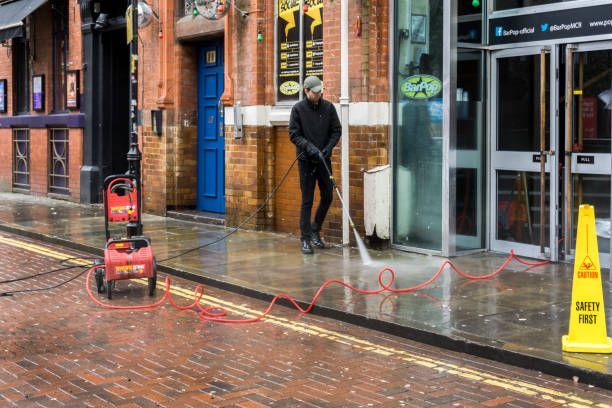
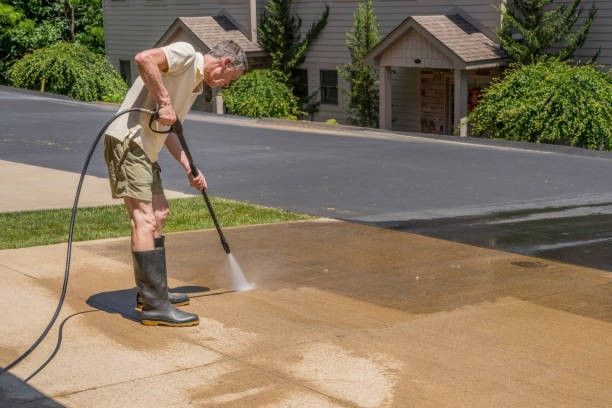
Sidewalks around restaurants accumulate grease tracked from kitchens, food spills, and residue from heavy foot traffic. These substances can darken concrete and reduce traction, increasing the risk of slips and falls.
Routine restaurant pressure washing restores surface texture and improves pedestrian safety.
Entryways and storefronts
Entry areas are high visibility zones. Oil stains, gum residue, and dirt buildup can quickly make these areas appear unkempt. Pressure washing helps maintain a clean and neutral appearance without altering surface materials.
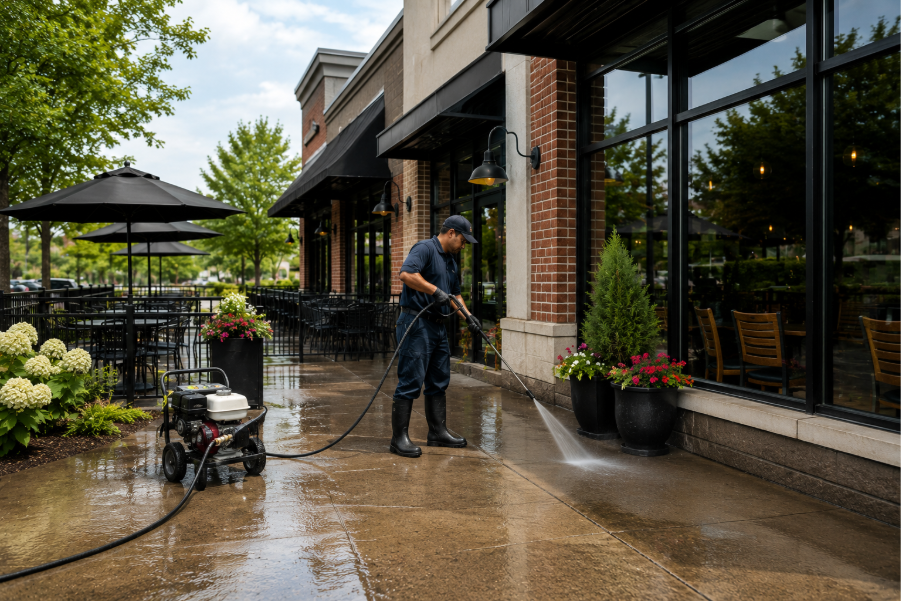
Outdoor seating and patios
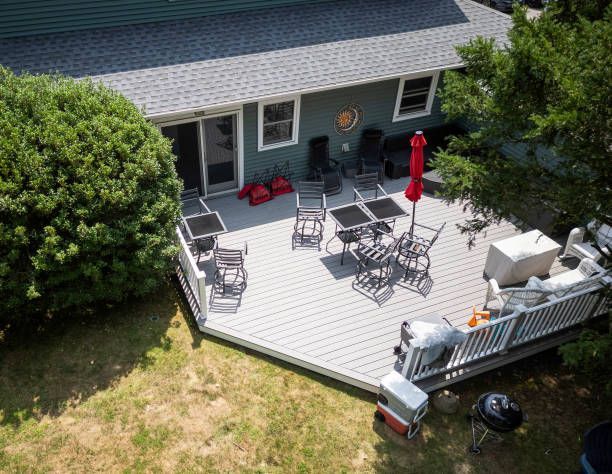
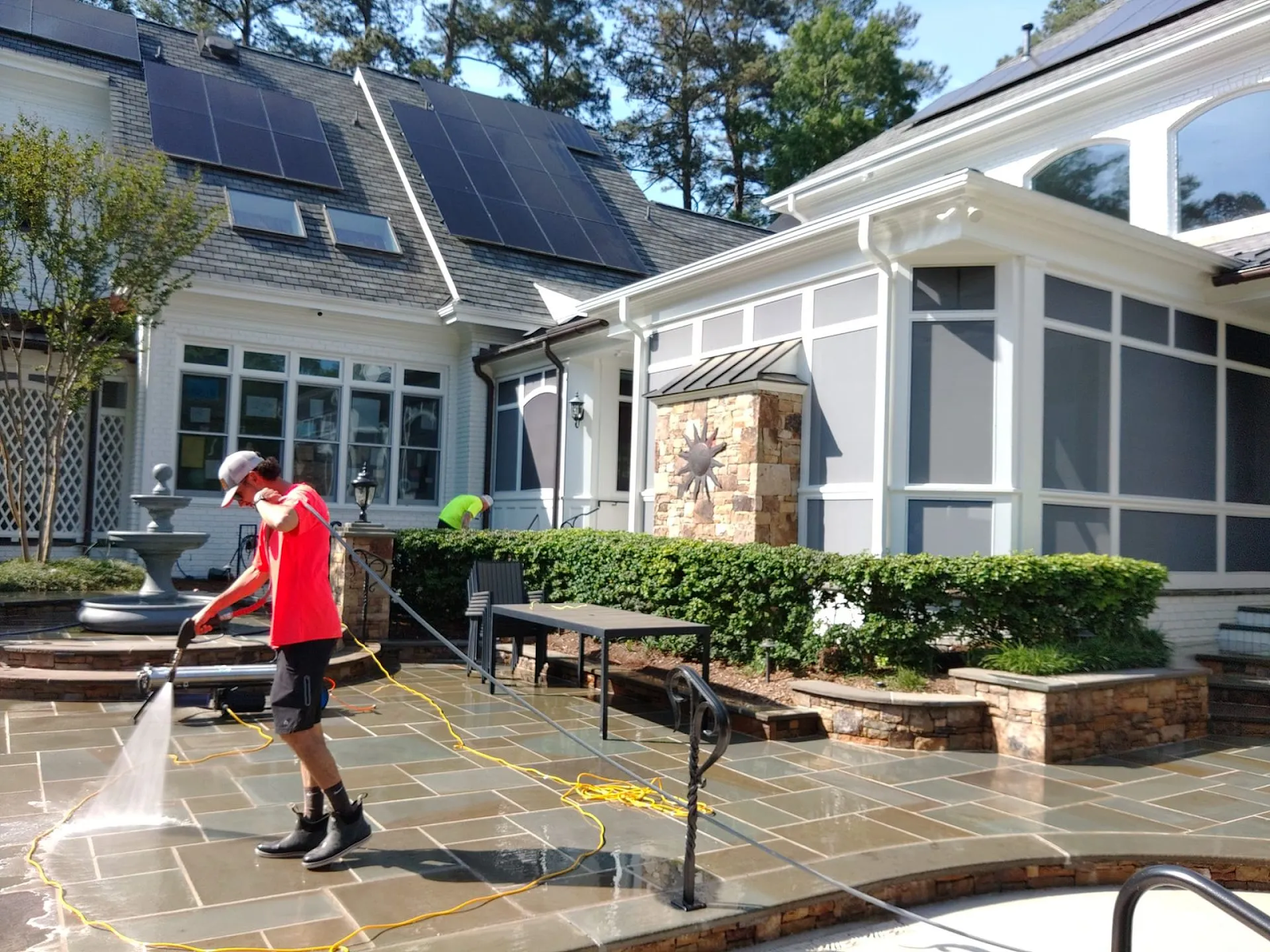
Outdoor dining areas are exposed to food debris, drink spills, weather conditions, and organic growth. Regular cleaning helps prevent odors, staining, and insect activity while extending the life of furniture and flooring.
Building exteriors and signage
Walls and signage are exposed to pollution, moisture, and sunlight. Over time, mildew and discoloration can develop. Restaurant exterior pressure washing helps preserve these surfaces and maintain clear visibility without frequent repainting.
Dumpster pads and service zones
Waste handling areas are among the most regulated exterior spaces on restaurant properties. Grease and organic waste buildups can attract pests and create sanitation concerns. Consistent cleaning supports health standards and reduces odor issues.
Health and safety implications
Slip and fall prevention
Grease, algae, and mold significantly increase slip risk. These hazards pose safety concerns for customers and staff and can expose businesses to liability. Restaurant pressure washing removes these substances more effectively than manual cleaning.
Supporting health inspections
Local health departments often assess exterior cleanliness, particularly near entrances, waste areas, and ventilation outlets. Clean outdoor surfaces demonstrate attention to sanitation and reduce the likelihood of inspection issues.
Pest management support
Food residue and organic buildup attract insects and rodents. Pressure washing removes these attractants, complementing pest control efforts and supporting a cleaner environment.
Environmental considerations in commercial pressure washing
Water efficiency
Professional commercial pressure washing uses equipment designed to maximize cleaning efficiency while minimizing water usage. Controlled pressure and proper nozzle selection reduce waste compared to uncontrolled rinsing.
Wastewater containment
Restaurants must comply with local regulations governing runoff. Proper restaurant pressure washing includes methods to contain, filter, or divert wastewater to approved disposal systems.
Surface safe cleaning agents
When detergents are required, they are selected based on surface type and environmental impact. This ensures effective grease removal without harming surrounding landscaping or infrastructure.
Long term maintenance and asset protection
Preventing surface degradation
Grease, moisture, and organic growth contribute to the breakdown of concrete, brick, and masonry over time. Regular restaurant exterior pressure washing helps slow this process and preserve structural integrity.
Extending material lifespan
By removing contaminants before they penetrate surfaces, pressure washing extends the usable life of exterior materials. This reduces the frequency of major repairs and replacements.
Reducing the need for resurfacing
Consistent cleaning minimizes deep staining and damage, which can otherwise require resurfacing or repainting. This supports predictable maintenance planning.
How often restaurant exterior pressure washing is needed
Cleaning frequency varies based on location, traffic volume, cooking methods, and climate. Restaurants near busy roads or with high grease output may require more frequent service.
Choosing a qualified provider
Experience with food service properties
Restaurants present challenges not found in other commercial properties. Providers should understand grease removal, sanitation concerns, and surface protection.
Regulatory awareness
A knowledgeable provider stays informed about environmental and health regulations related to wastewater and chemical use. This reduces compliance risks for restaurant operators.
Seasonal considerations for restaurant exteriors
Spring and summer
Pollen, grease accumulation, and increased foot traffic require more frequent attention. Outdoor dining areas often see heavier use during warmer months.
Fall and winter
Leaves, moisture, and reduced sunlight can contribute to algae and mold growth. Cleaning during these seasons helps maintain traction and prevent surface damage.
Coordination with daily operations
Pressure washing is most effective when coordinated with restaurant operations. Scheduling during low traffic hours reduces disruption and ensures thorough cleaning.
Staff awareness also plays a role. Prompt spill cleanup and waste area monitoring help maintain results between cleanings.
Online presence and visual reputation
Exterior cleanliness frequently appears in customer photos and online reviews. Clean sidewalks, patios, and storefronts support positive visual representation across digital platforms.
A well maintained exterior also ensures that online listings accurately reflect the in person experience.
Integrating pressure washing into property management
Restaurant exterior pressure washing should be part of a broader maintenance plan that includes landscaping, lighting, and signage upkeep. Together, these efforts create a cohesive and well managed appearance.
Pine State Pressure Washing often coordinates with property managers to align cleaning schedules with ongoing maintenance needs.
Common misconceptions
It is only about appearance
While visual improvement is noticeable, safety, compliance, and surface preservation are equally important benefits.
Pressure washing damages surfaces
Damage typically results from improper techniques. When done correctly, pressure washing is safe for commercial materials.
Cleaning once is enough
Without routine maintenance, contaminants return quickly. Regular cleaning is more effective and less disruptive over time.
Final thoughts
Restaurant pressure washing is a practical and necessary part of exterior maintenance. By addressing grease, grime, and organic buildup, it supports safety, hygiene, and long term asset protection.
Consistent restaurant exterior pressure washing helps create welcoming environments, reduces risk, and supports responsible property management. Businesses that integrate this practice into regular maintenance plans are better positioned to maintain compliance and preserve their facilities over time. For property managers seeking more information about exterior cleaning considerations for food service locations, getting in touch with Pine State Pressure Washing can provide additional insight into restaurant specific maintenance needs.
Frequently asked questions
How is restaurant pressure washing different from general cleaning
It targets grease and food related contaminants and follows stricter environmental and sanitation guidelines.
Can pressure washing be done while the restaurant is open
Many exterior areas can be cleaned during off peak hours. Scheduling depends on the scope of work.
Are chemicals always used
Not always. Some situations require detergents to break down grease, while others rely on pressure and heat.
How long does exterior pressure washing take
Time varies by property size and condition. Small areas may take a few hours, while full properties require more time.
Is exterior cleaning required by health departments
Requirements vary by location, but clean exterior areas support compliance and reduce inspection concerns.